A chartered bus winding on and on along dry ridgelines under a blazing sun — fiscal 2025 began with a scene like that, from a journey. It was a year of visiting the frontlines of consciousness research around the world: Greece in midsummer, Bangkok in late summer, and Hokkaido in autumn. This report covers the four international conferences and events I took part in, together with something of the atmosphere on the ground.
ASSC2025 — The 28th Meeting, Held on Crete
Following the 2024 meeting in Tokyo, the 28th meeting of the ASSC (Association for the Scientific Study of Consciousness), the leading international society for the scientific study of consciousness, was held on the island of Crete. The meeting rotates each year among Europe, the Americas and Asia, and in fiscal 2025 consciousness researchers from around the world gathered by the Mediterranean in midsummer. I have attended almost every year since the Kyoto meeting in 2011, which means that for more than a decade I have watched from the inside as topics once at the margins — altered states of consciousness and spirituality — moved to the center of the field. This year's meeting showed that shift more vividly than any before it.
What distinguished this meeting was that “non-ordinary experiences of consciousness” — psychedelics, meditation and Indian philosophy — were treated as one of its main pillars. These are themes that mainstream consciousness research once kept at arm's length, yet they now occupy the center of scientific debate.

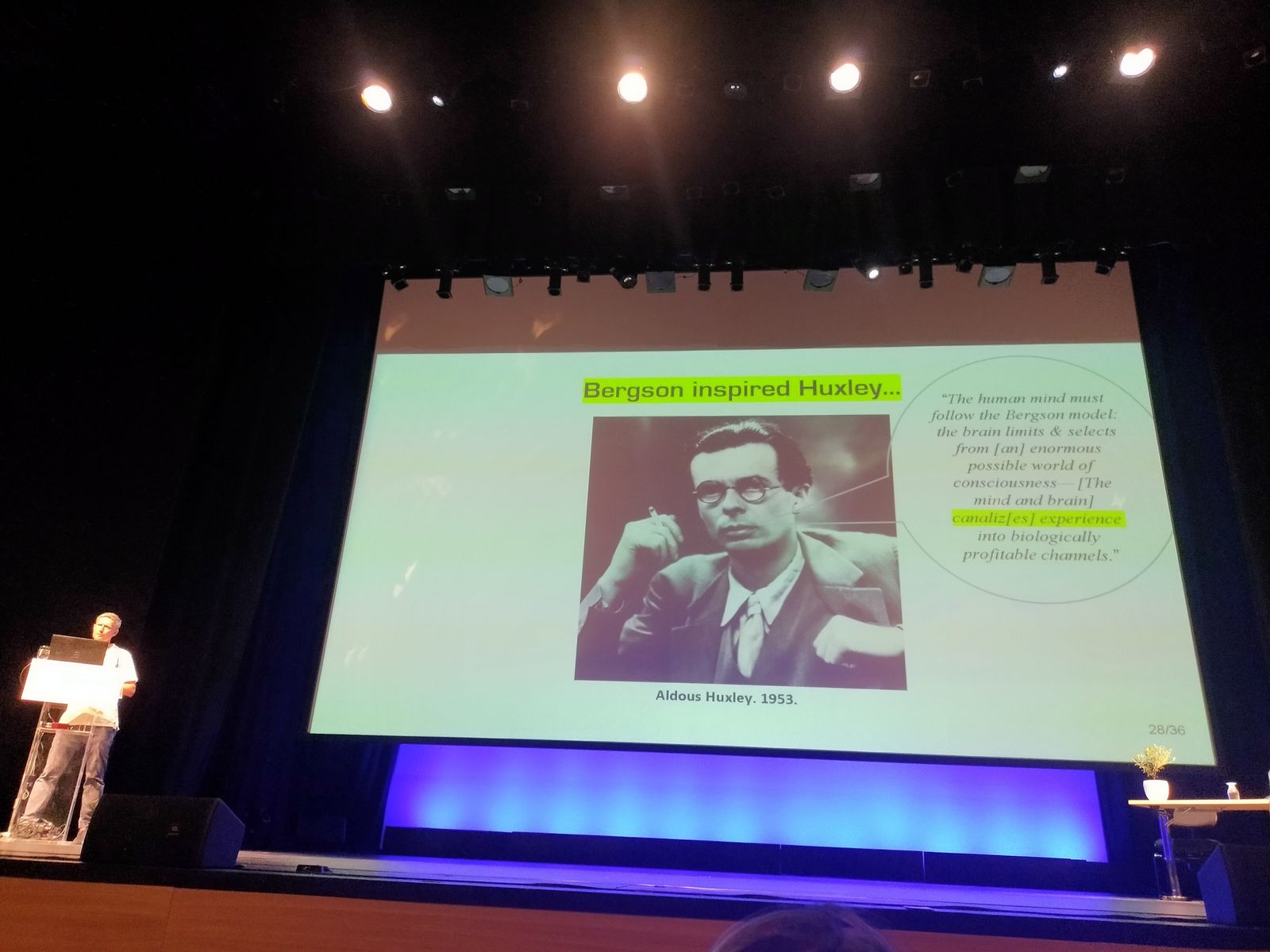
The keynote speaker Dr. Robin Carhart-Harris has been at the forefront of this field: in 2019 he founded the world's first Centre for Psychedelic Research at Imperial College London, and he is now the Ralph Metzner Distinguished Professor at the University of California, San Francisco (UCSF). He began by introducing the “entropic brain hypothesis” he proposed in 2014 — the theory that the complexity (entropy) of the brain's spontaneous activity is the most reliable index for measuring altered states of consciousness.
The increase in brain-activity entropy observed with EEG after psilocybin administration can be measured only about an hour after dosing, yet it may predict improvements in subjective well-being as much as four months later. Similar increases are widely seen in other situations in which consciousness expands, such as emergence from anesthesia and the deep meditative states of experienced meditators.
A second thread of the talk was the history of the word “psychedelic.” It was coined by the psychiatrist Humphry Osmond in his correspondence with the writer Aldous Huxley, combining the Greek words for “soul” and “to make manifest.” The idea behind it was that the essence of these substances lies not in mimicking psychosis, but in making the hidden whole of the mind observable. This etymology goes back to Bergson's notion of the “filter,” to which Huxley referred in The Doors of Perception: the idea that the brain narrows consciousness down to what is needed for survival. Dr. Carhart-Harris presented the view that loosening this filter “decompresses” subliminal information as the starting point of his own entropic brain hypothesis.
This theme of the “filter” (or “reducing valve”), traced back through Huxley to Bergson, is in fact one that I have been working on myself in recent years. In a paper published in Frontiers in Psychology in 2026, “Beyond the reducing valve: towards a computational neurophenomenology of altered states via deep neural networks,” I reformulated Huxley's metaphor of the “reducing valve” in the language of deep neural networks, and proposed a unified description of altered states of consciousness — hallucinations, psychedelic experiences, ego dissolution and so on — as differences in a network's objective functions and constraints (the C×G×D framework).
Another keynote was given by Dr. Aviva Berkovich-Ohana, Associate Professor at the University of Haifa. Her starting point was an experience she had during meditation 22 years ago: thoughts, bodily sensations, emotions, even the narrative of a “self” all fell away, yet consciousness itself persisted for about forty minutes. This experience led her back into academia, where she has pursued neurophenomenology, which treats meditation as “a means of studying consciousness.” This research program, proposed by Francisco Varela, moves back and forth between first-person phenomenological description and third-person physiological measurement, as a dialogue in which each constrains the other.
In her framework, the self is understood in two layers: the “minimal self,” an embodied sense of agency, and the “narrative self,” a linguistic and mnemonic personal identity. A study measuring the EEG of experienced meditators found that during meditation that dissolves the boundary between self and world, activity in a brain region involved in self-awareness (the posterior cingulate cortex) decreases. In addition, on a task measuring unconscious “death denial,” meditators showed a weakening of that denial, whereas people with ayahuasca experience did not show the same tendency — suggesting that meditation and psychedelics differ in the quality of their long-term effects.
The third keynote speaker, Dr. Monima Chadha of the University of Oxford, took up the concept of “no-self” (selflessness) in Indian philosophy. In Western ethics, if there is no self to take responsibility for an action, there is a risk that the very subject who bears ethical responsibility disappears. Indian philosophy, by contrast, has the concept of rebirth, according to which ethical conduct in this life affects the next. Within this framework, she argued, ethical action is encouraged even from a standpoint of no-self.
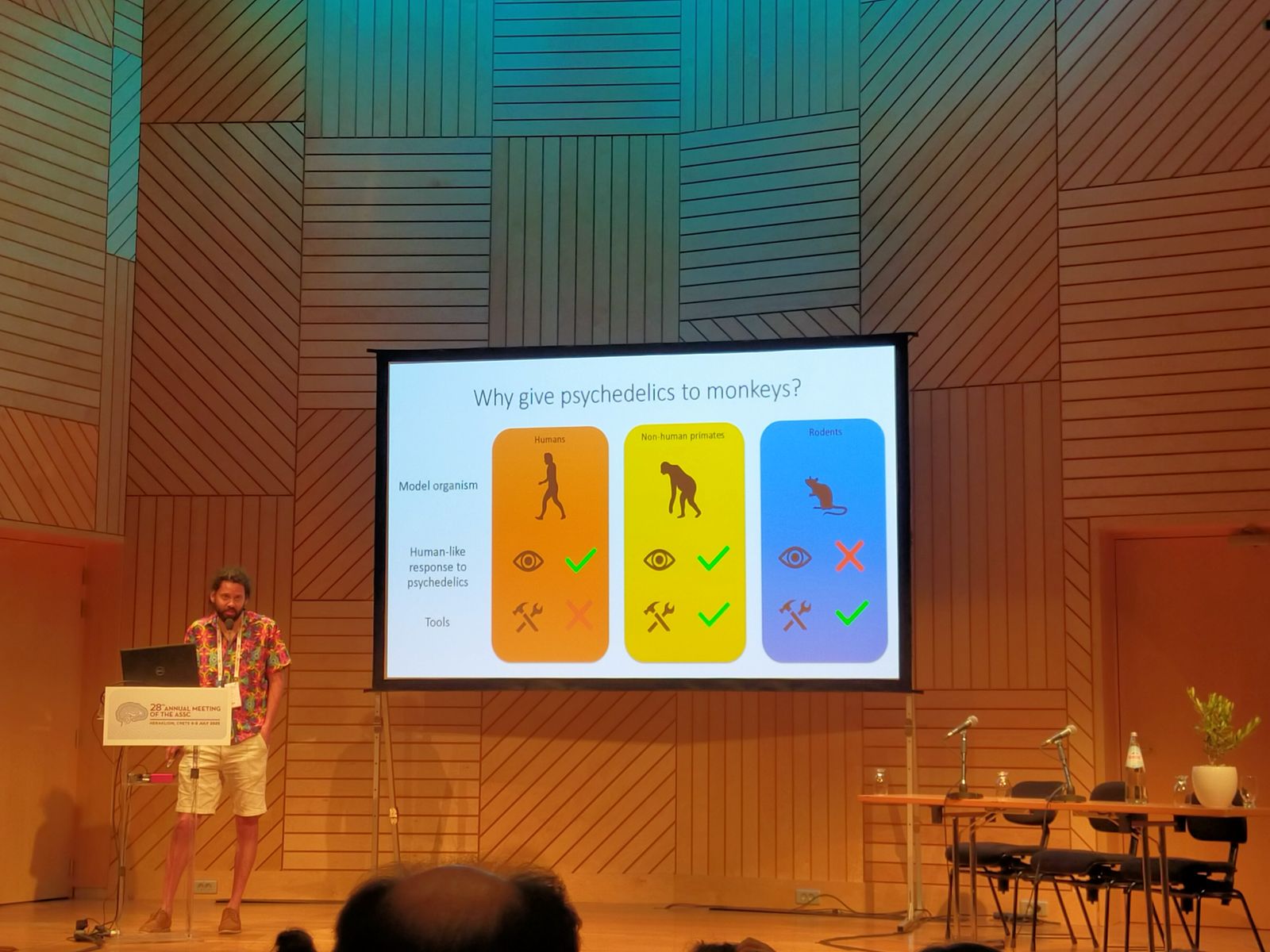
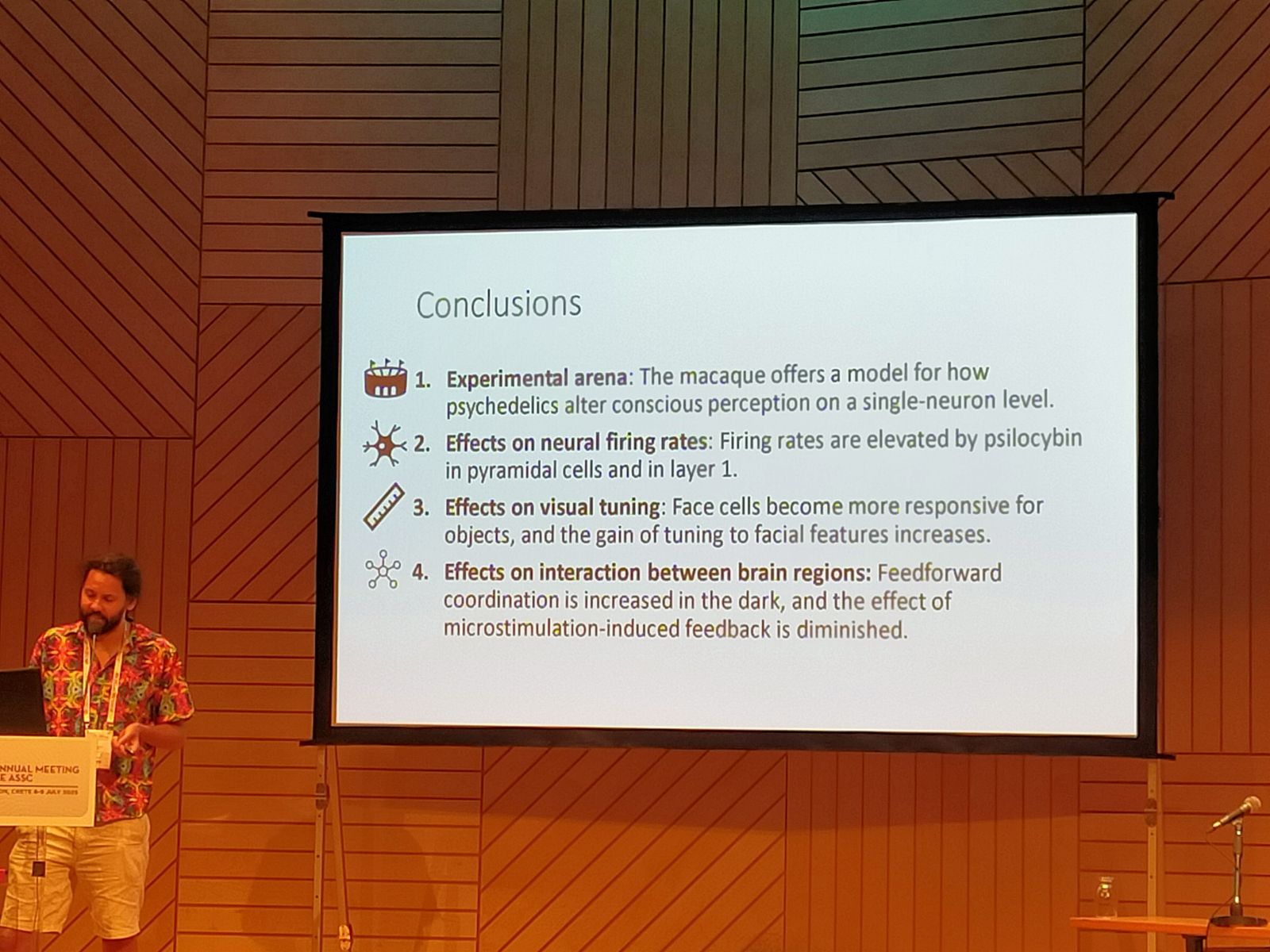
Beyond the keynotes, there was also a presentation on psychedelic research using macaque monkeys. Non-human primates, which have visual responses close to those of humans and can also use tools, are well suited as model organisms for psychedelic research. The experiments showed that psilocybin increases the firing rate of pyramidal cells in macaques and alters the visual tuning of face cells — a result indicating that psychedelics can change conscious perception at the level of single neurons.
From animal neuroscience such as dosing experiments in macaques to meditation and Indian philosophy, themes this far apart share a single venue. That is what the ASSC is.
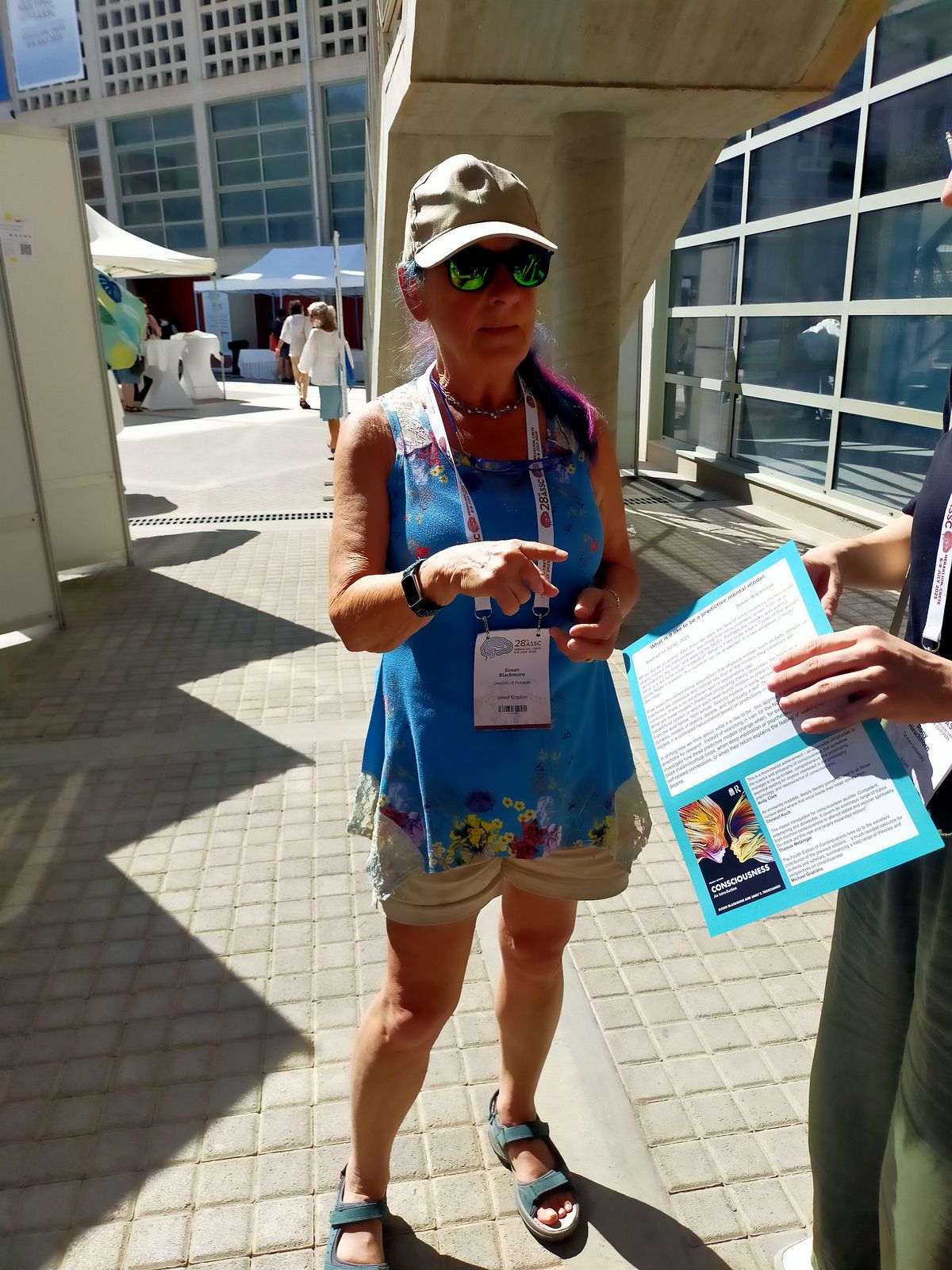
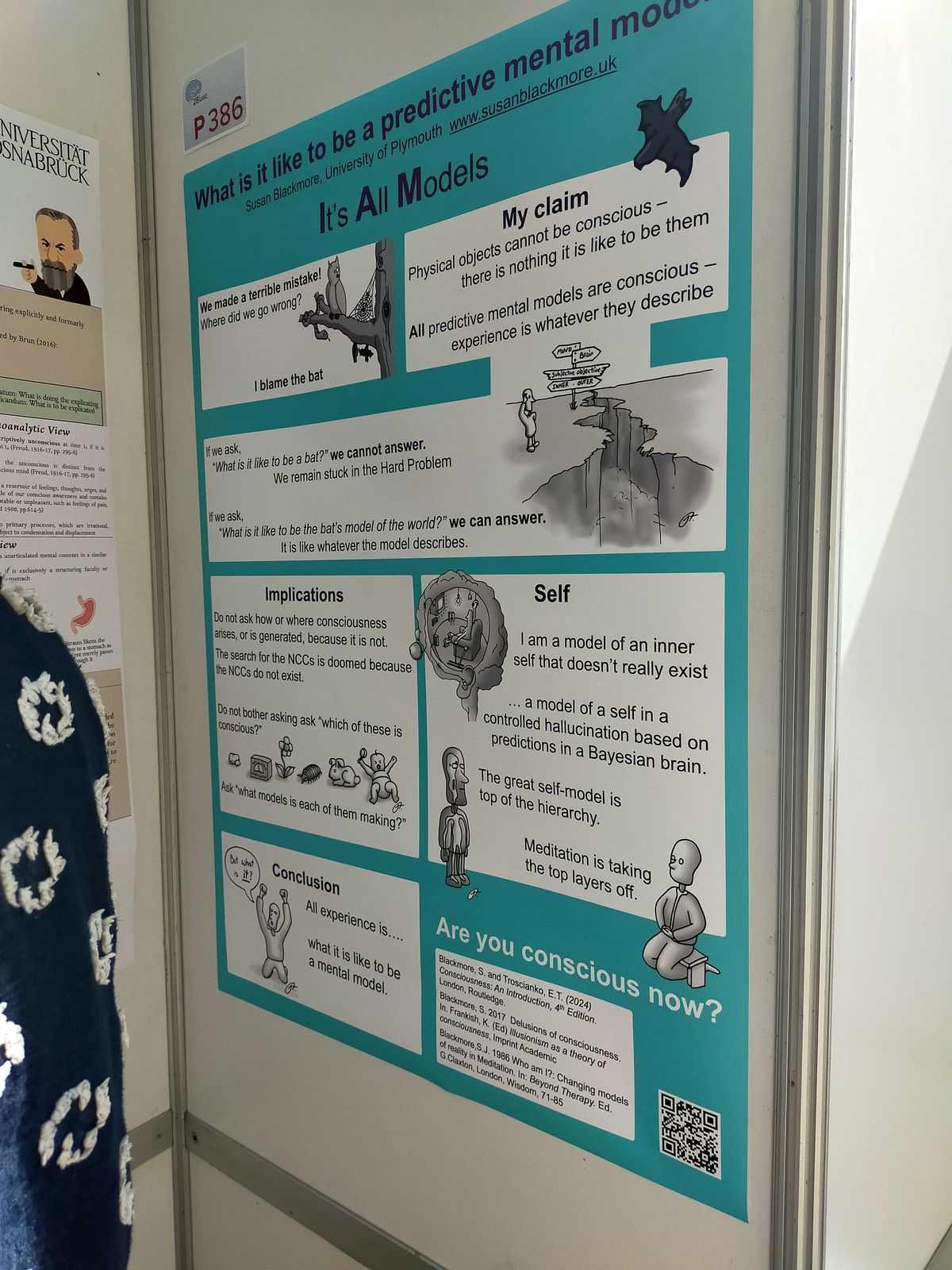
In the poster hall, Susan Blackmore — known as the author of Conversations on Consciousness — presented a poster arguing that “all experience is nothing more than a predictive model created by the brain.”
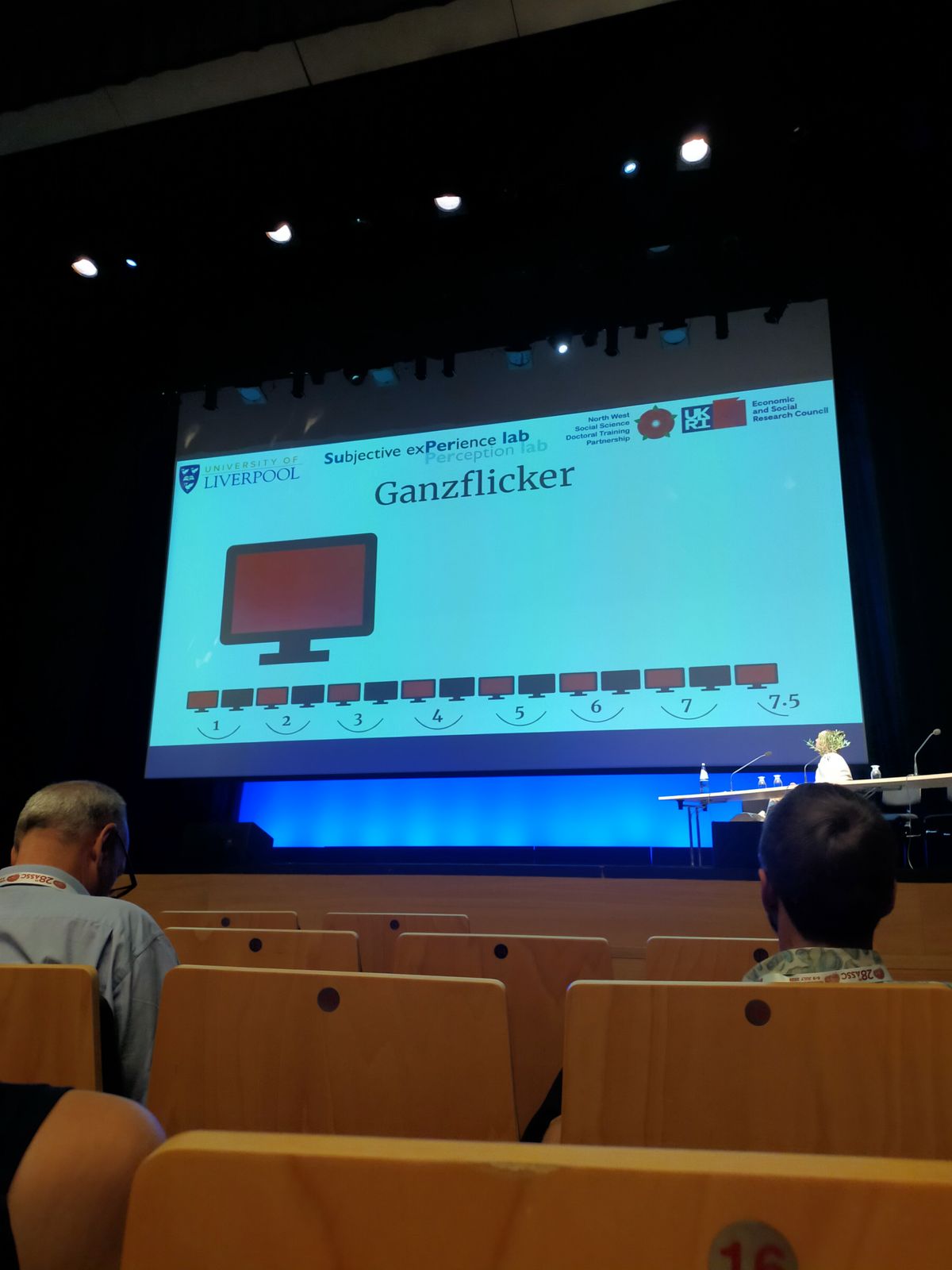
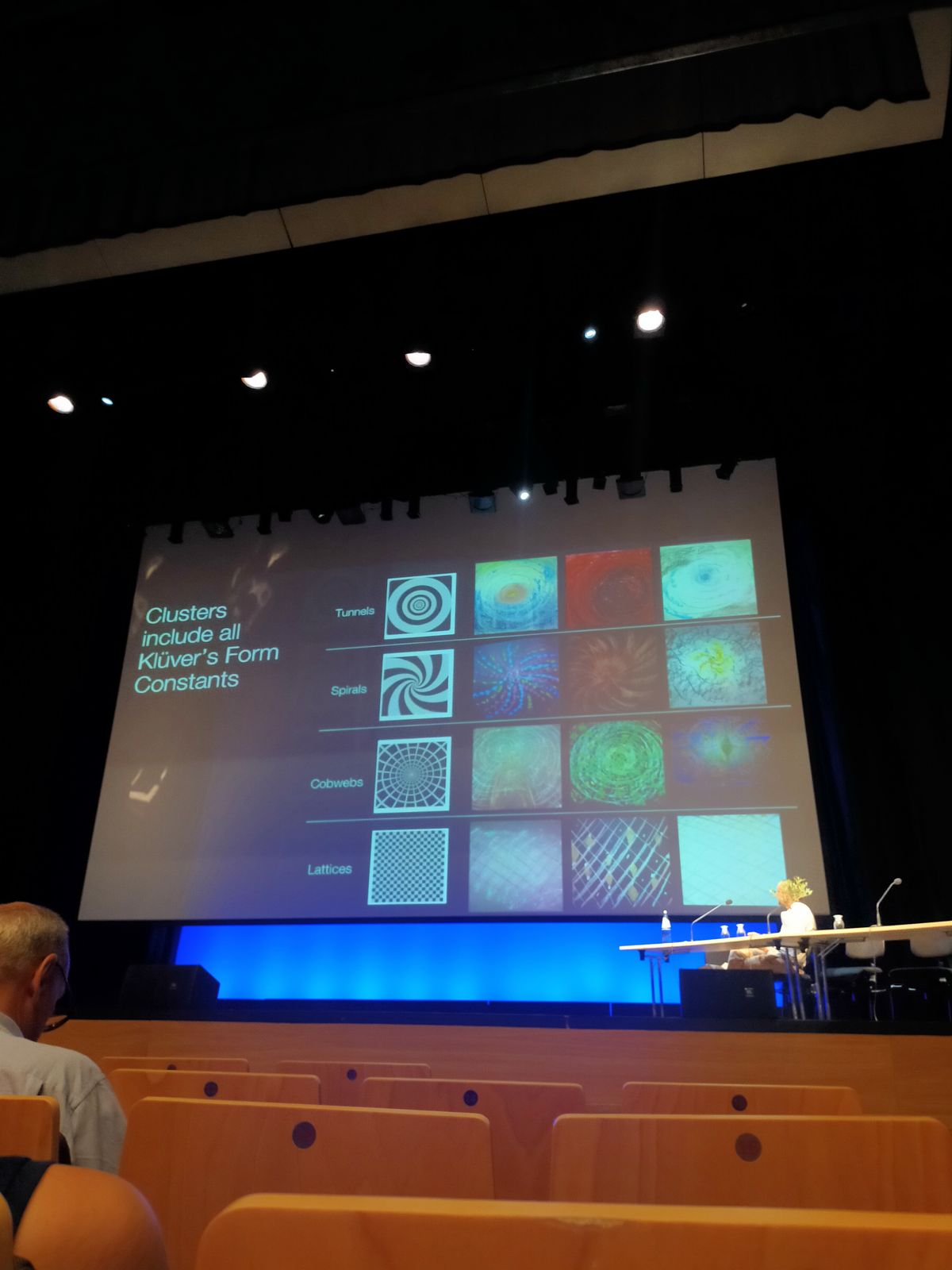
On the geometric patterns of hallucinations, there was also research on eliciting them without drugs. “Ganzflicker,” a method used by the Subjective Experience Lab at the University of Liverpool, induces visual hallucinations in healthy people as they gaze at a light flickering at a fixed frequency. The patterns reported fall into four categories: tunnels, spirals, cobwebs and lattices. These match the “Klüver form constants” — the classification of recurring basic shapes that the psychologist Heinrich Klüver identified in mescaline-induced hallucinations in his 1928 book.
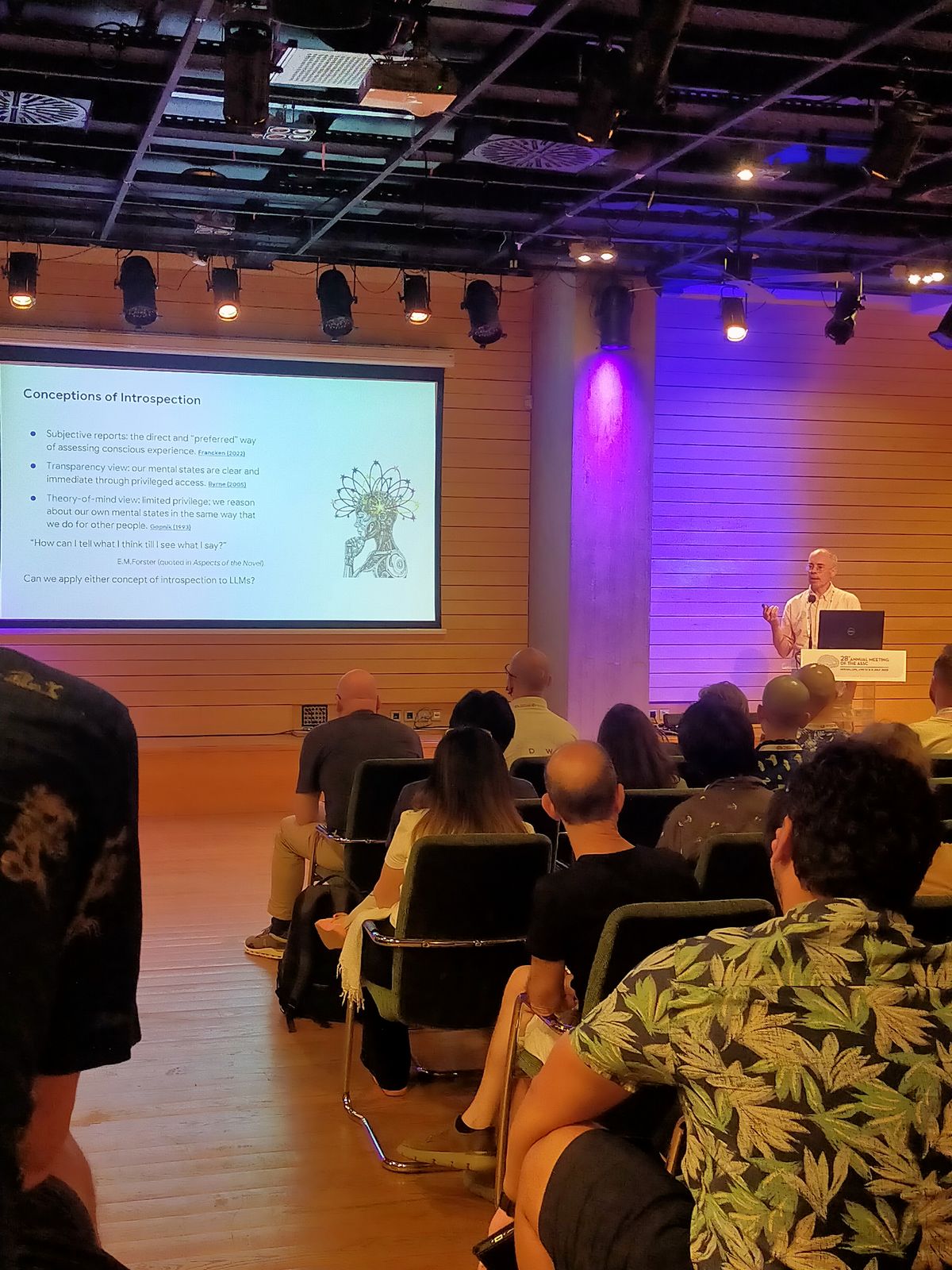
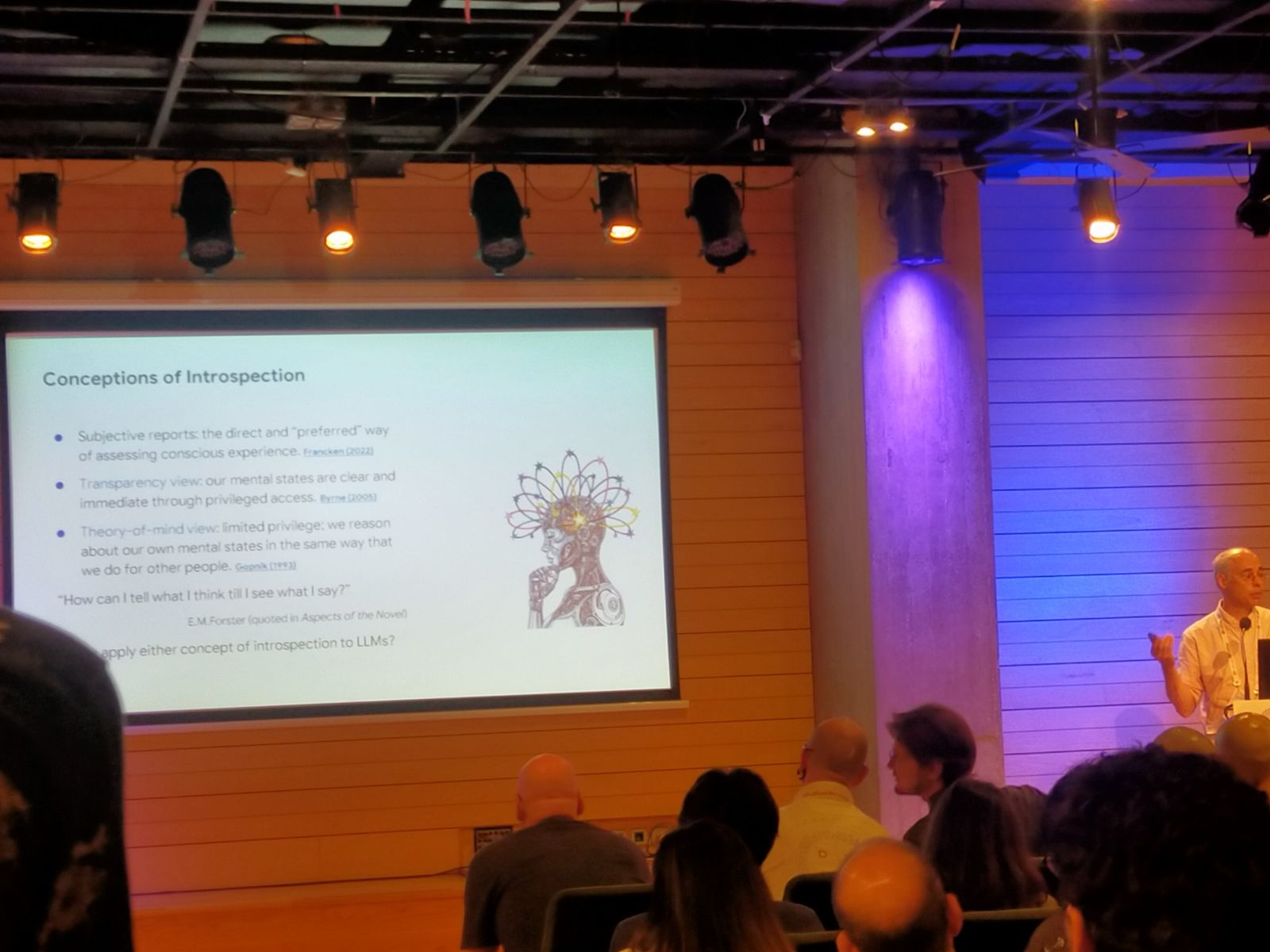
There was also a session on the intersection of consciousness research and AI. Murray Shanahan (Professor Emeritus, Imperial College London / Google DeepMind), drawing on his co-authored paper “Does It Make Sense to Speak of Introspection in Large Language Models?,” discussed what it means to apply the word “introspection” to large language models (LLMs). He adopted a modest definition: something can be called introspective only if there is a causal pathway connecting an internal state to the content of a report. Ask Gemini, for example, to describe the “creative process” behind a poem, and it returns a fabrication that includes steps that could not actually have occurred. By contrast, on a task in which the model judged whether its “temperature” parameter was high or low from the style of its own output, it assessed itself correctly — there being a clear causal pathway by which the value shapes the style. Shanahan concluded that the latter is a minimal case worthy of the name introspection. This point is closely related to Anthropic's October 2025 study “Emergent Introspective Awareness in Large Language Models.” When researchers artificially injected internal patterns corresponding to known concepts into a model's activations and tested whether it could detect the anomaly before putting it into words, the most recent models showed signs — limited, but present — of an ability to monitor and report their internal states.
The next meeting, in 2026, is scheduled to be held in Santiago, Chile. Chile is the birthplace of Varela, the founder of neurophenomenology, and remains fertile ground for consciousness research, having produced researchers such as Christopher Timmermann, known for his work on DMT. I plan to attend in person.
QUALIUS Retreat — Five Days Spent with Altered States of Consciousness
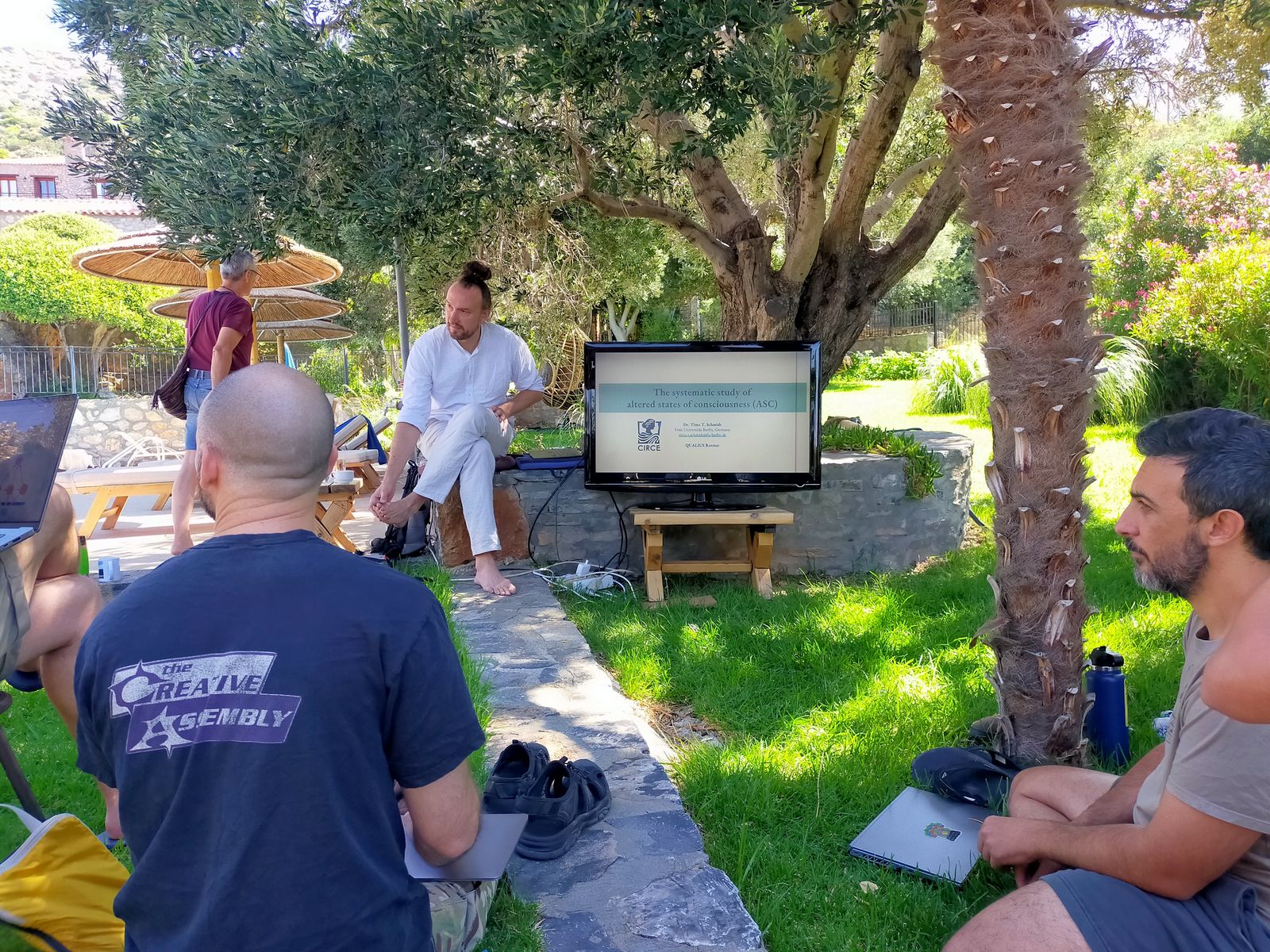
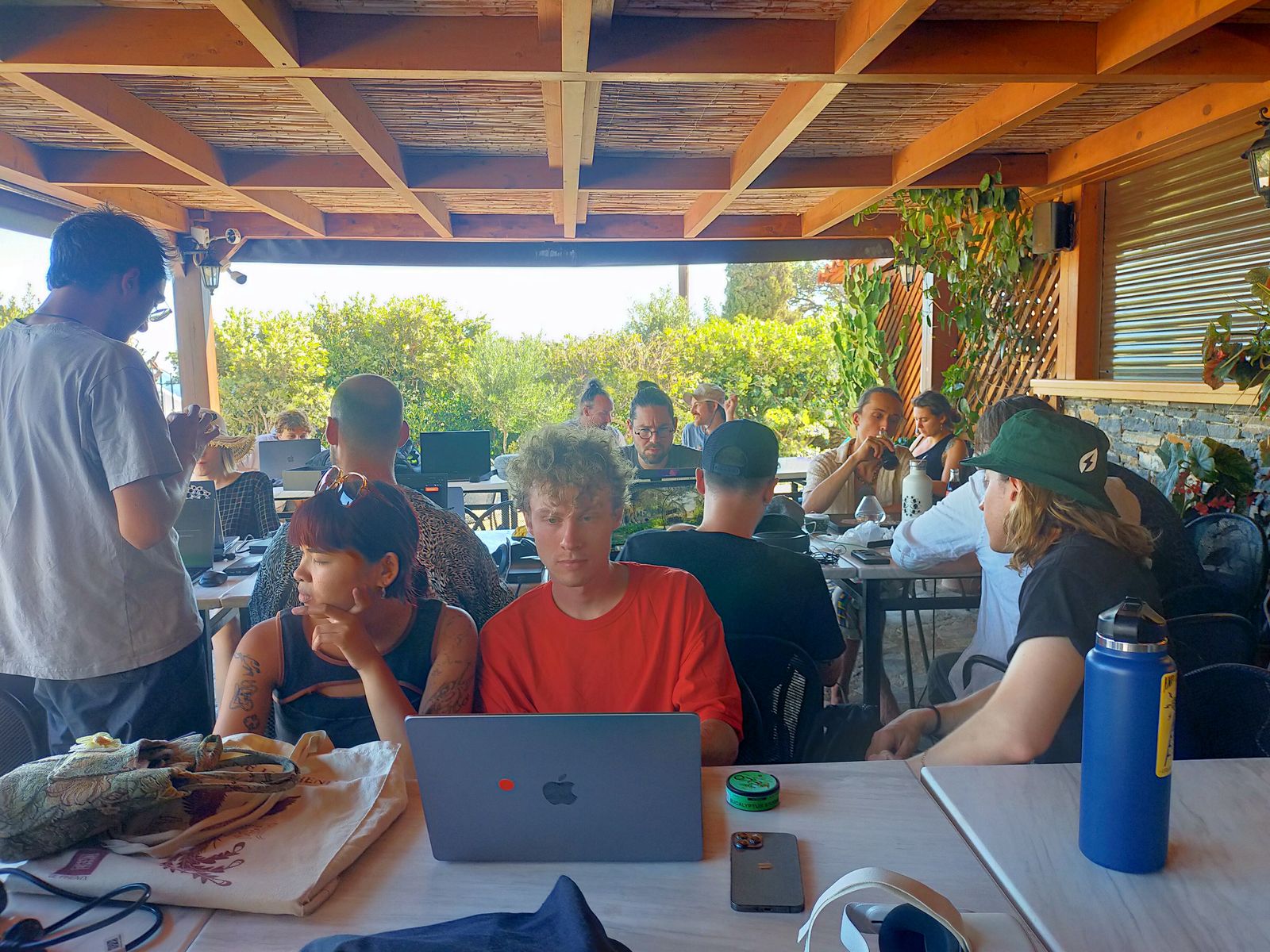
As a satellite event of ASSC2025, I took part in the “QUALIUS Retreat on Non-Ordinary States of Consciousness,” organized by QRI (Qualia Research Institute) and ALIUS. The venue was a seaside facility on the opposite coast of Crete from the main ASSC meeting. It was an event with a distinctive format: some thirty participants lived, ate and slept together for five days while working on research presentations, discussion, technology development and meditation practice.
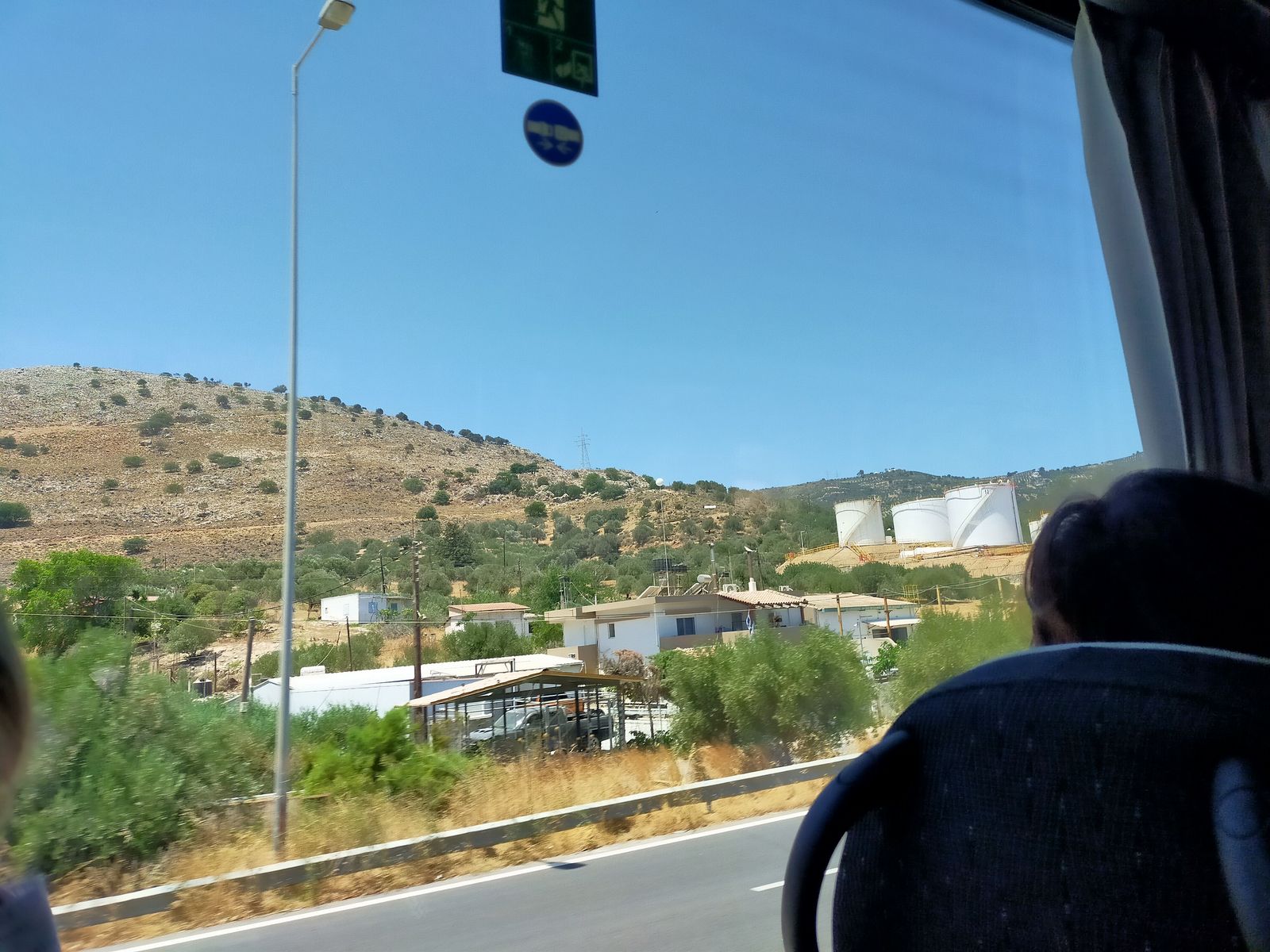
We reached the venue by chartered bus from Heraklion, where the main ASSC meeting had been held, crossing the island of Crete. The road ran on and on through mountains and olive groves. In a small village along the way, we sat down on a shaded terrace and shared a Mediterranean lunch with the companions we would be spending the next five days with. It was a journey that gradually carried us from the bustle of the conference into a different kind of time.
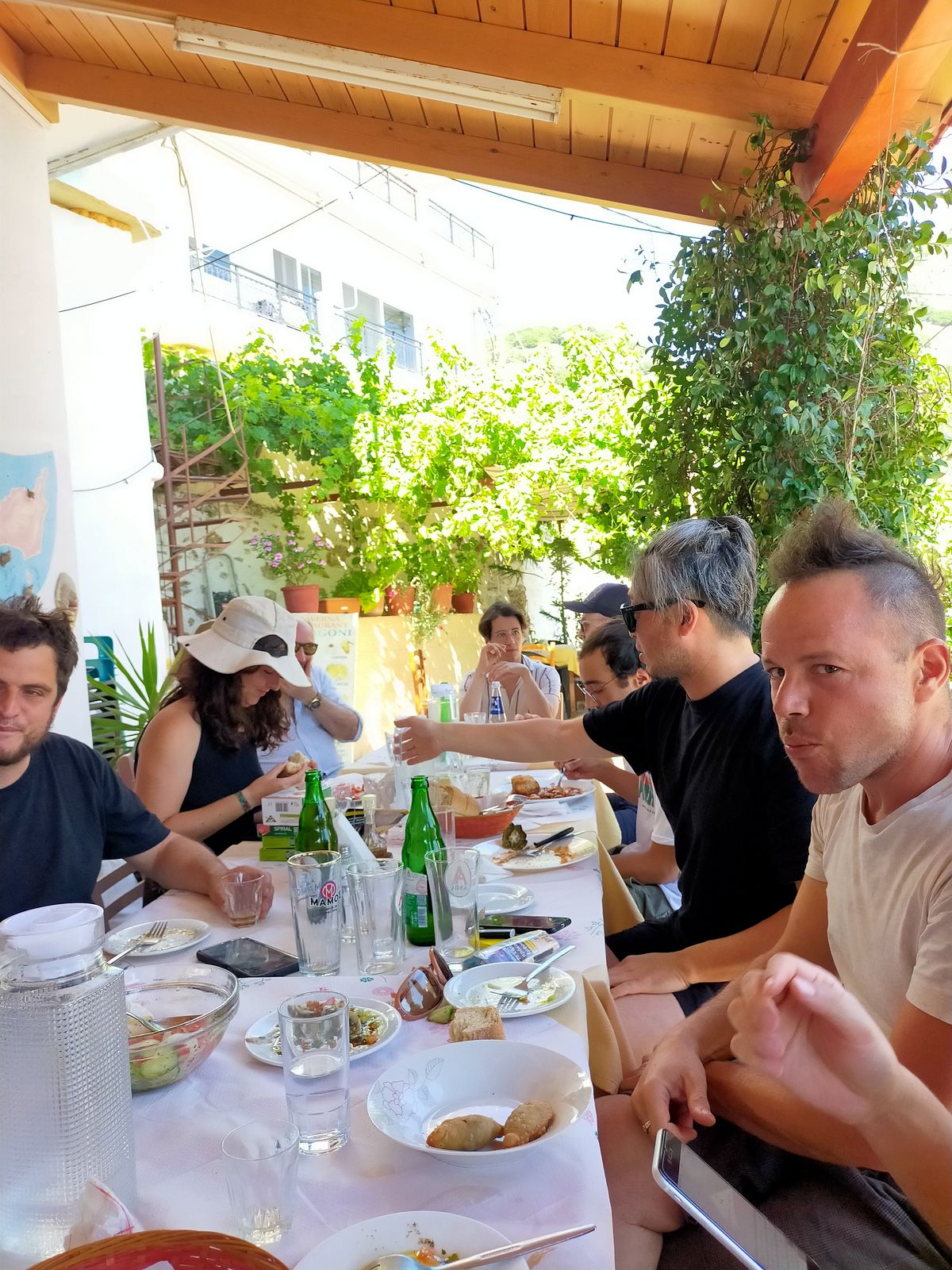

The mix of participants was distinctive. Half were scientists specializing in psychedelics, meditation and hypnosis, while the rest were software engineers, artists, meditation practitioners and others. A space in which experts approaching altered states of consciousness (ASC) from different angles set aside their titles and talked as equals had a different atmosphere from the scientist-centered main ASSC meeting.
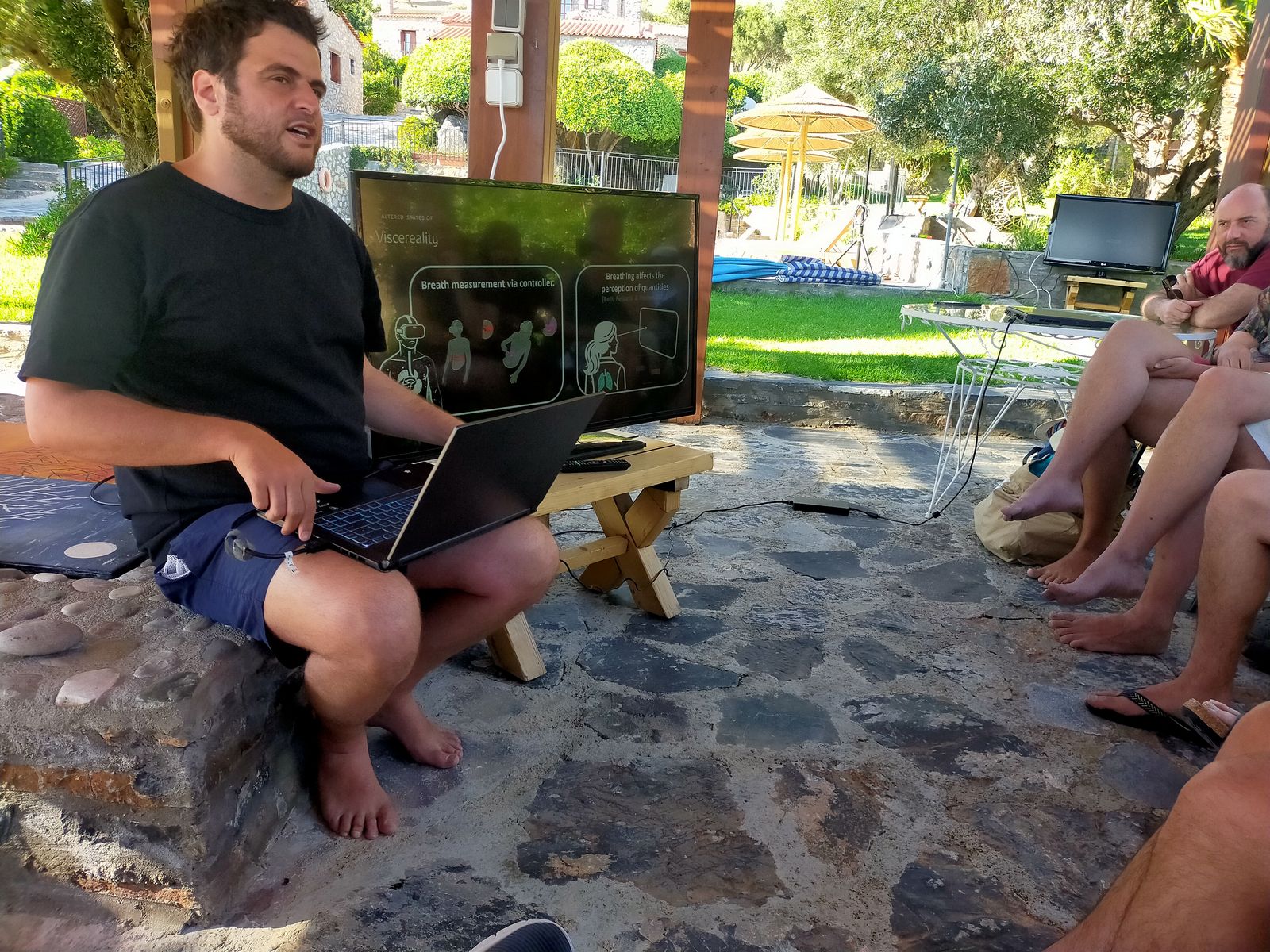
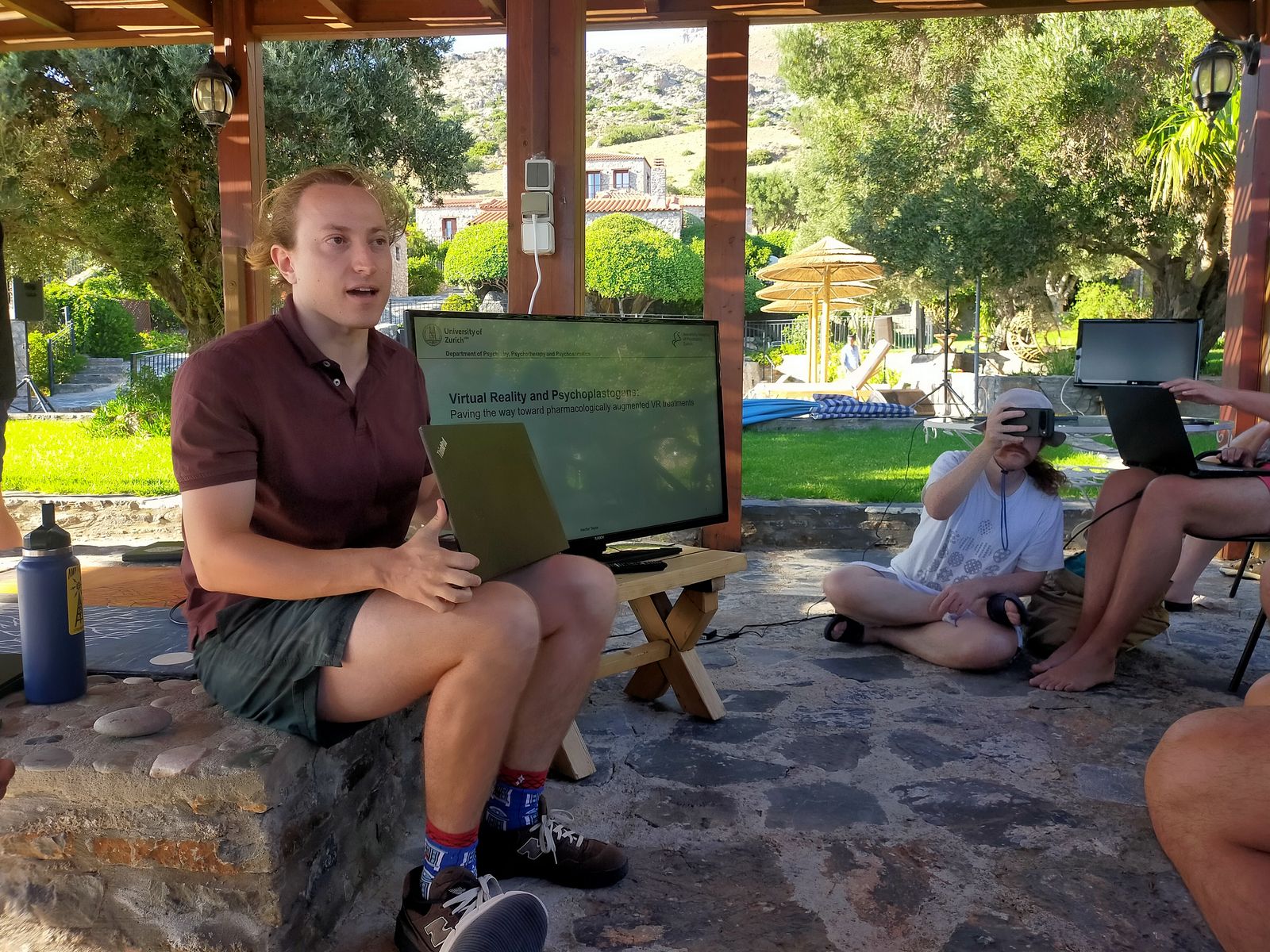
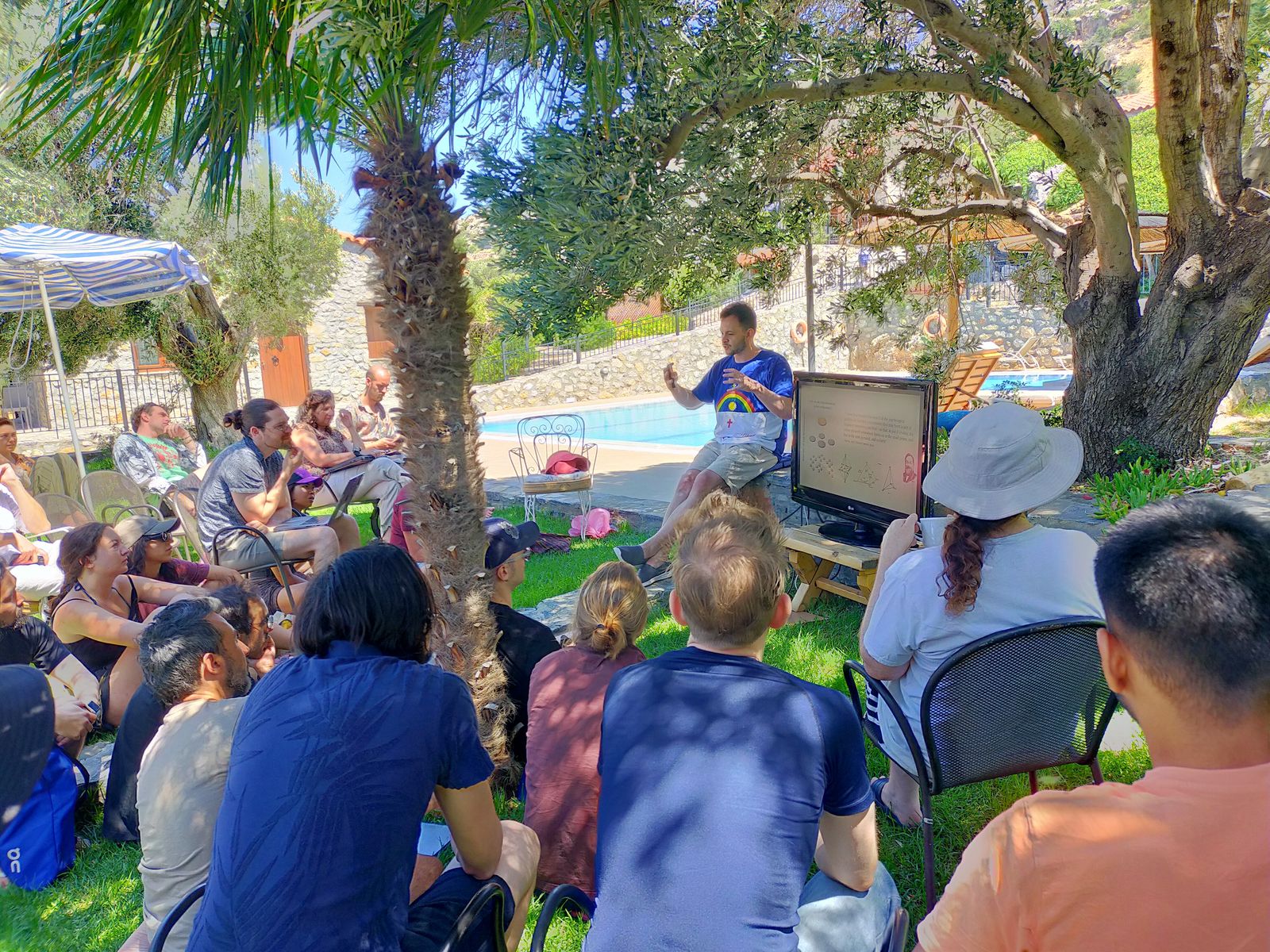
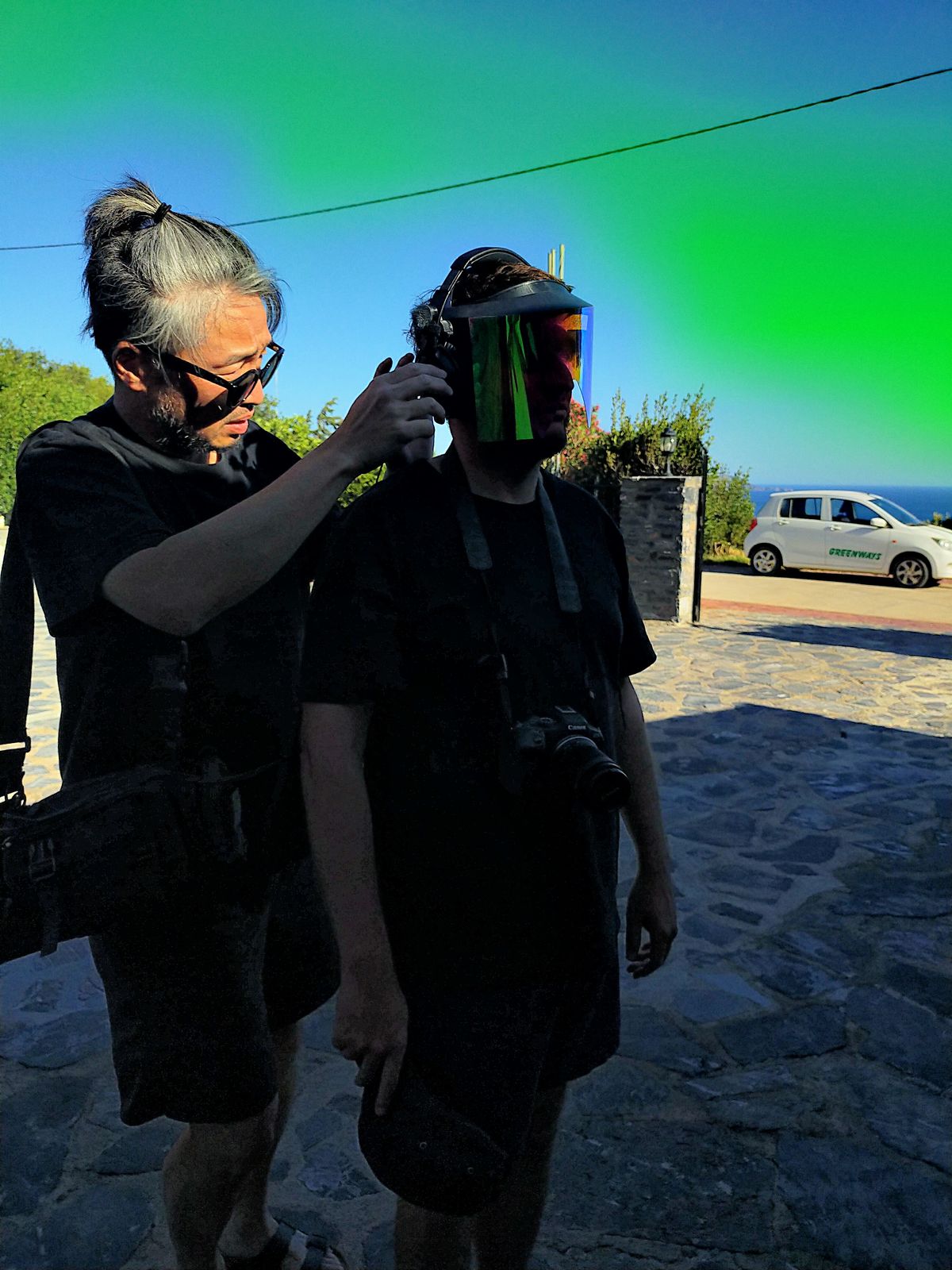
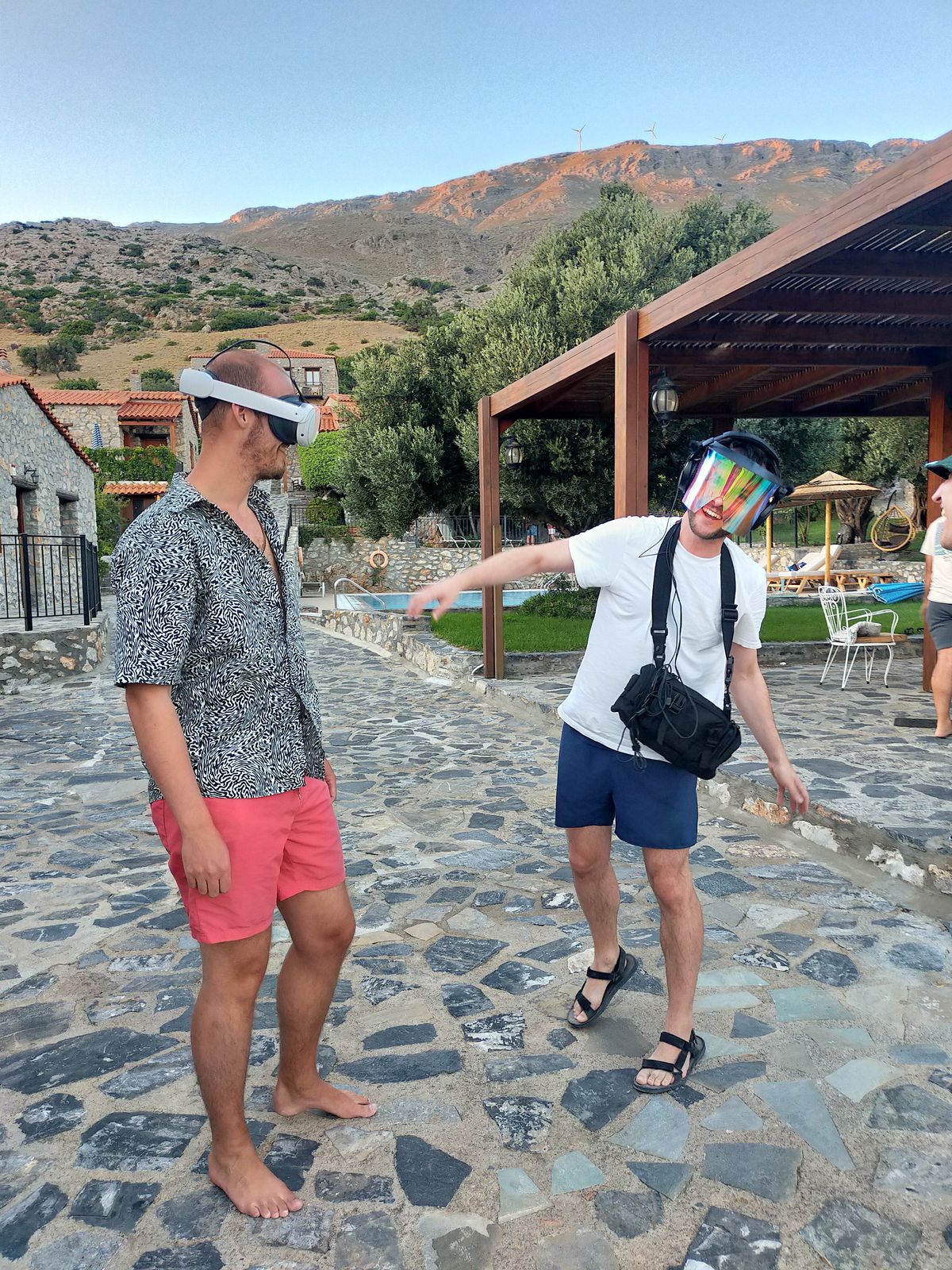
The days followed a rhythm: meditation in the morning, testing VR demos that recreate psychedelic experiences and research presentations in the afternoon, and music under the stars at night. One after another, devices for “inducing altered states while measuring them at the same time” were demonstrated on the spot. George demonstrated “Viscereality,” a system he built himself that captures breathing through a controller and deals with the effects of that breathing on perception. A researcher from the University of Zurich described a plan to combine VR with substances that promote neuroplasticity (psychoplastogens), aiming at pharmacologically enhanced VR experiences. Presentations were not confined to indoors; some were given outdoors to participants sitting in a circle on the lawn.
Attempts to recreate the threshold of altered states came together across the boundaries of science, engineering and art. The stereoscopic “Hallucination Machine” developed by my collaborator Paweł Motyka, which combines deep neural networks with panoramic VR video to recreate hallucination-like visual experiences, is a stereoscopic extension of the apparatus from my own 2017 paper in Scientific Reports, “A Deep-Dream Virtual Reality Platform for Studying Altered Perceptual Phenomenology.” There was also the artist “Symmetric Vision,” a moderator of the Reddit community r/replications, who has “replicated” in numerous videos the visual changes that occur during psychedelic experiences. His replication videos are distinctive — just watching them is enough to make your own head spin. Yutaka Makino's perceptual art demos, meanwhile, took a different tack: rather than recreating known altered states, they aimed to hack our senses and create new perceptual experiences in their own right.
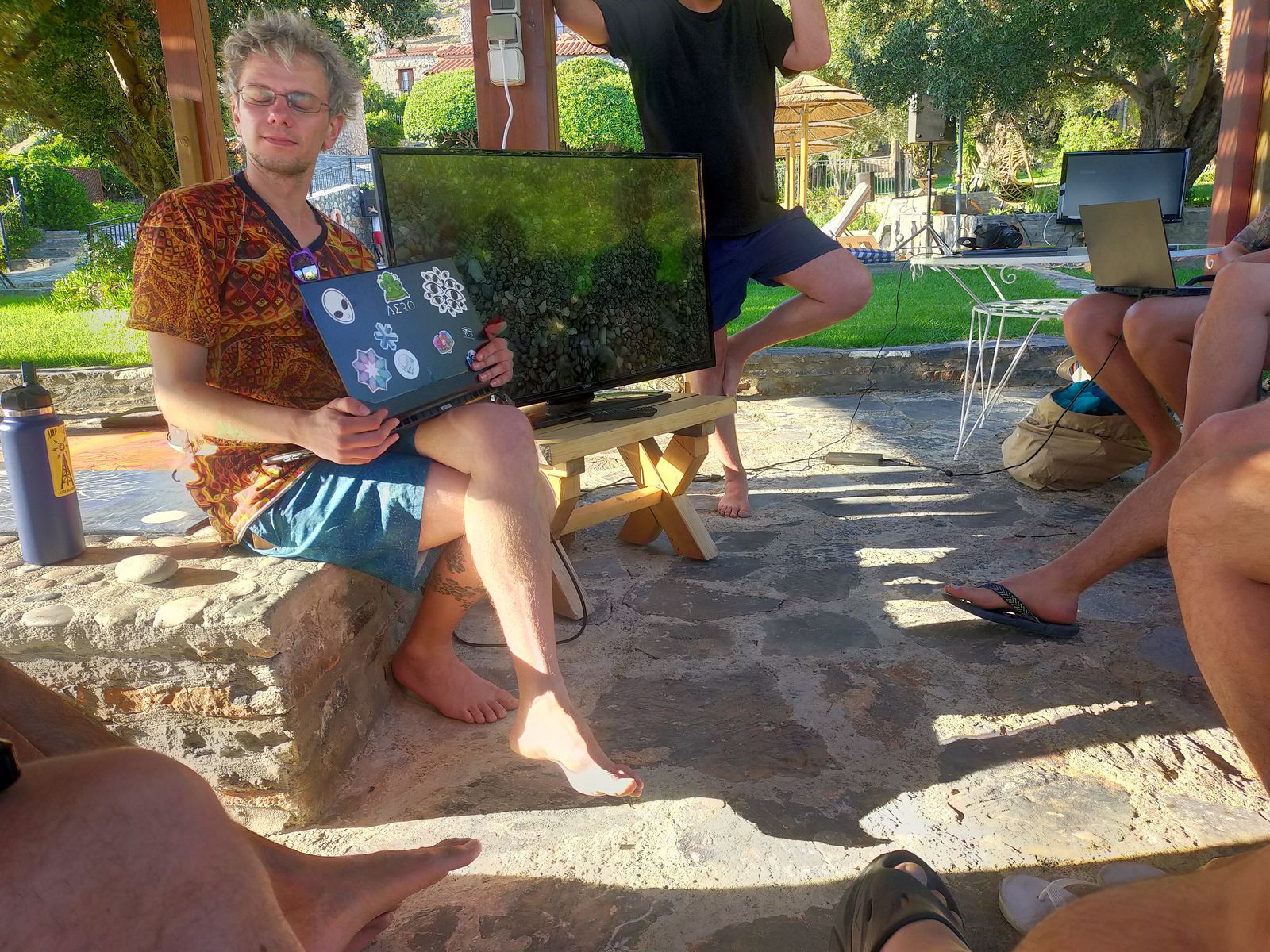
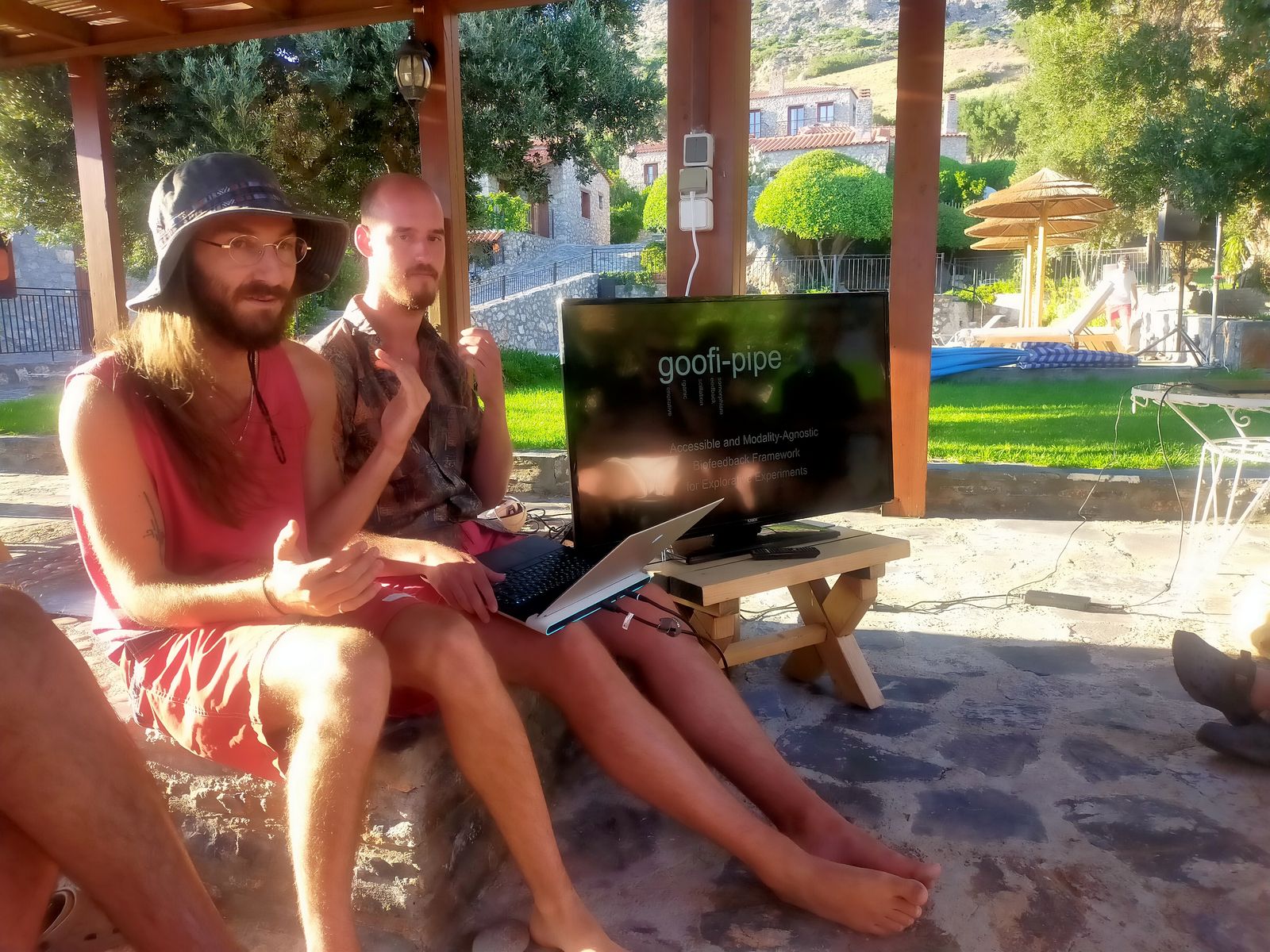
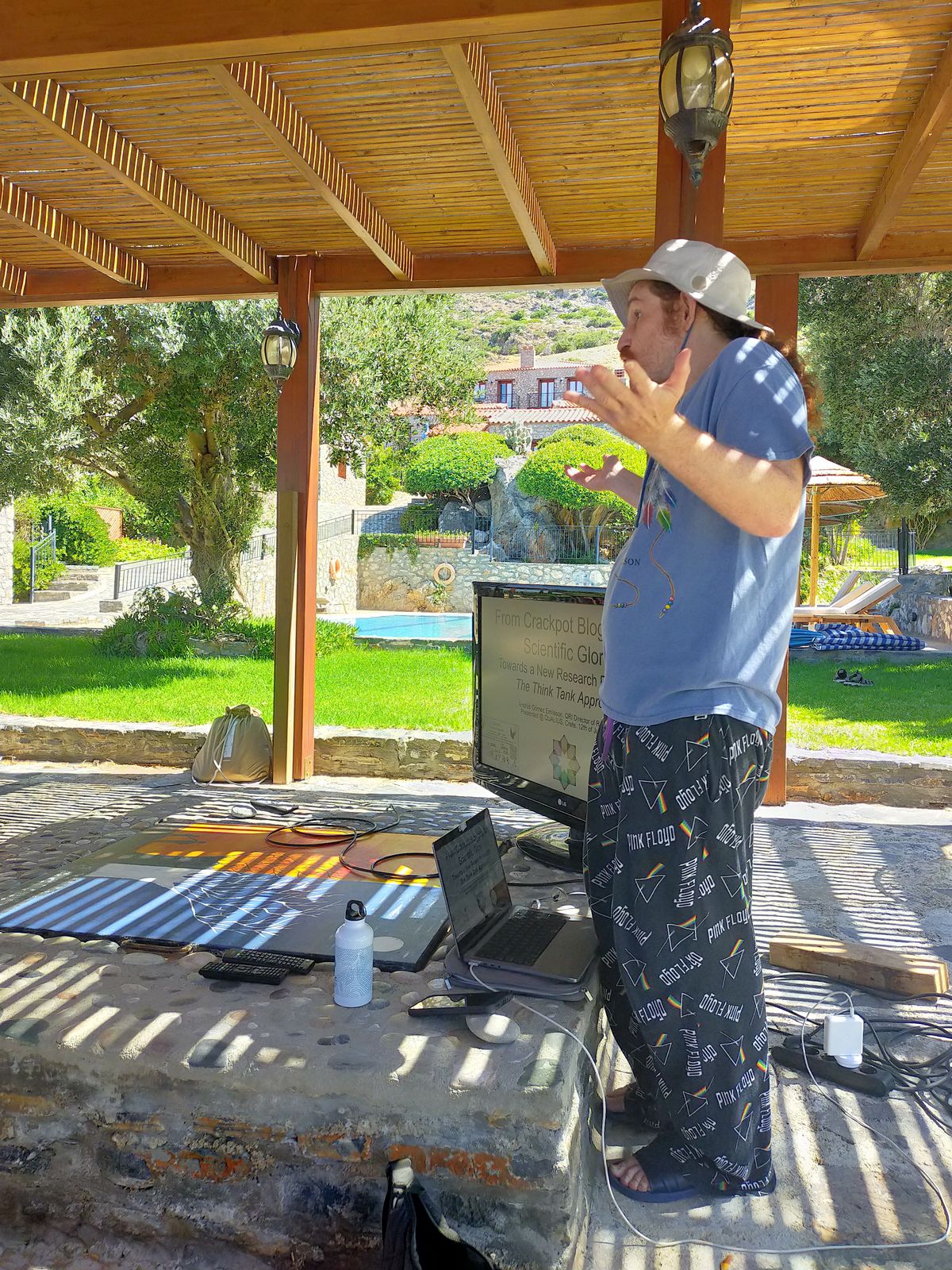
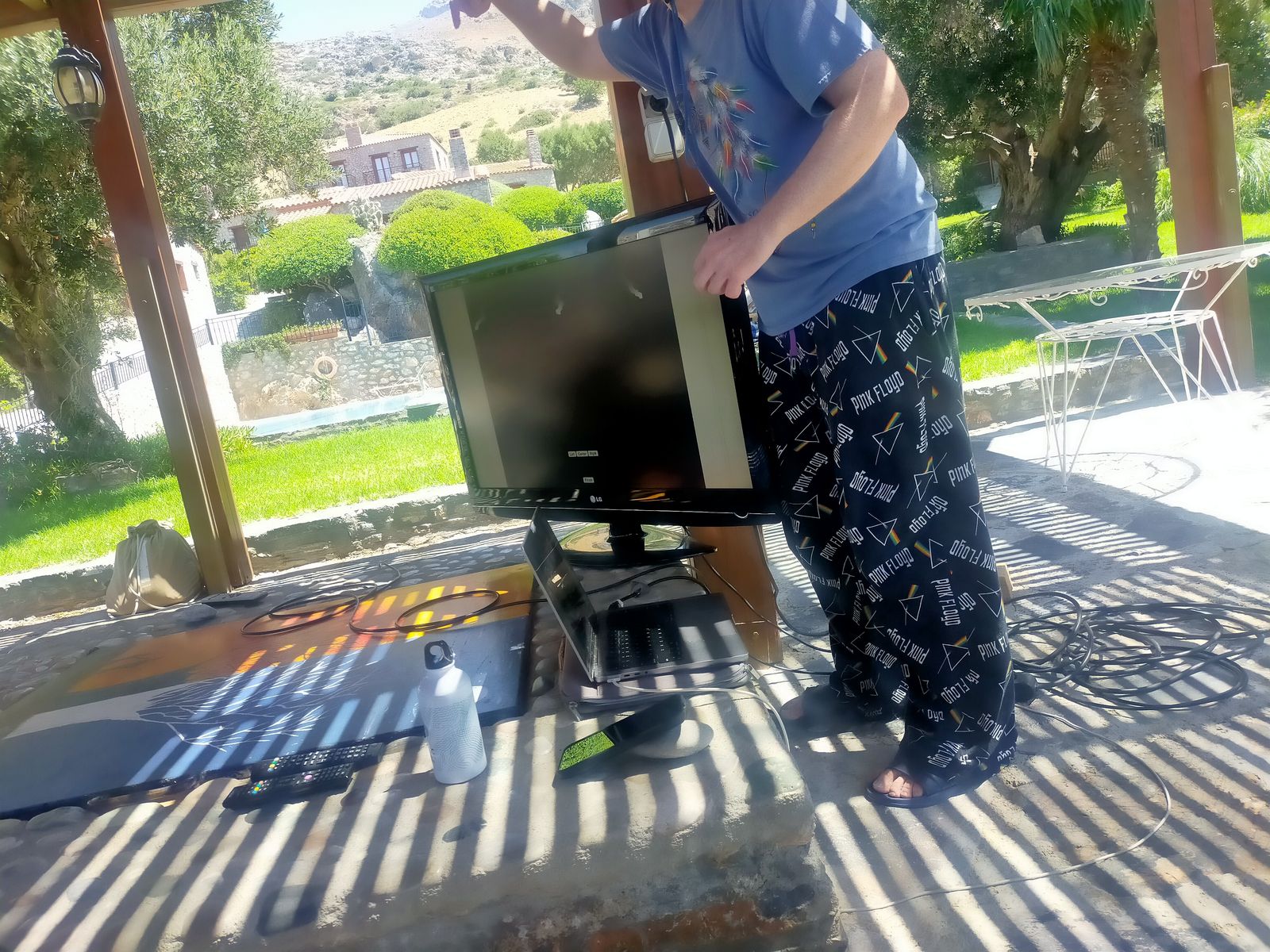
On the theoretical side, the talk that drew particular attention was by Andrés Gómez-Emilsson. A software engineer by profession, he is also an independent theorist who for more than a decade has published essays on consciousness, mainly on his own blog. One of the core members of QRI, he presented an argument venturing into the relationship between quantum entanglement and consciousness. Attempts to recast consciousness in the language of physics made for a session that only this retreat — with its mix of neuroscientists, engineers and meditation practitioners — could have produced.
His idea was that, in psychedelic experience, people might be able to “experience” quantum entanglement. Andrés turned this into an experiment. Three random-walk trajectories are shown on a screen. Two of them follow predetermined paths (the dice have already been rolled). Only the remaining one is generated in real time by a “physical” random number generator based on radiation. Can a person in a deep psychedelic state simultaneously experience the multiple futures into which this physical randomness branches? That was the focus of the experiment. The result, unfortunately, was negative: the three trajectories could not be told apart. Still, it was interesting to see an intuition gained in psychedelic experience carried all the way into an actual experiment.
On the afternoons of the second and third days, there were coding sessions. Participants brought along the simulators of altered states that they had each been developing, wrote code, and tried out one another's work. Again and again, someone would put on another person's device to experience its visual world, then return to their seat to fix their own code. It was a time in which making and experiencing were one.
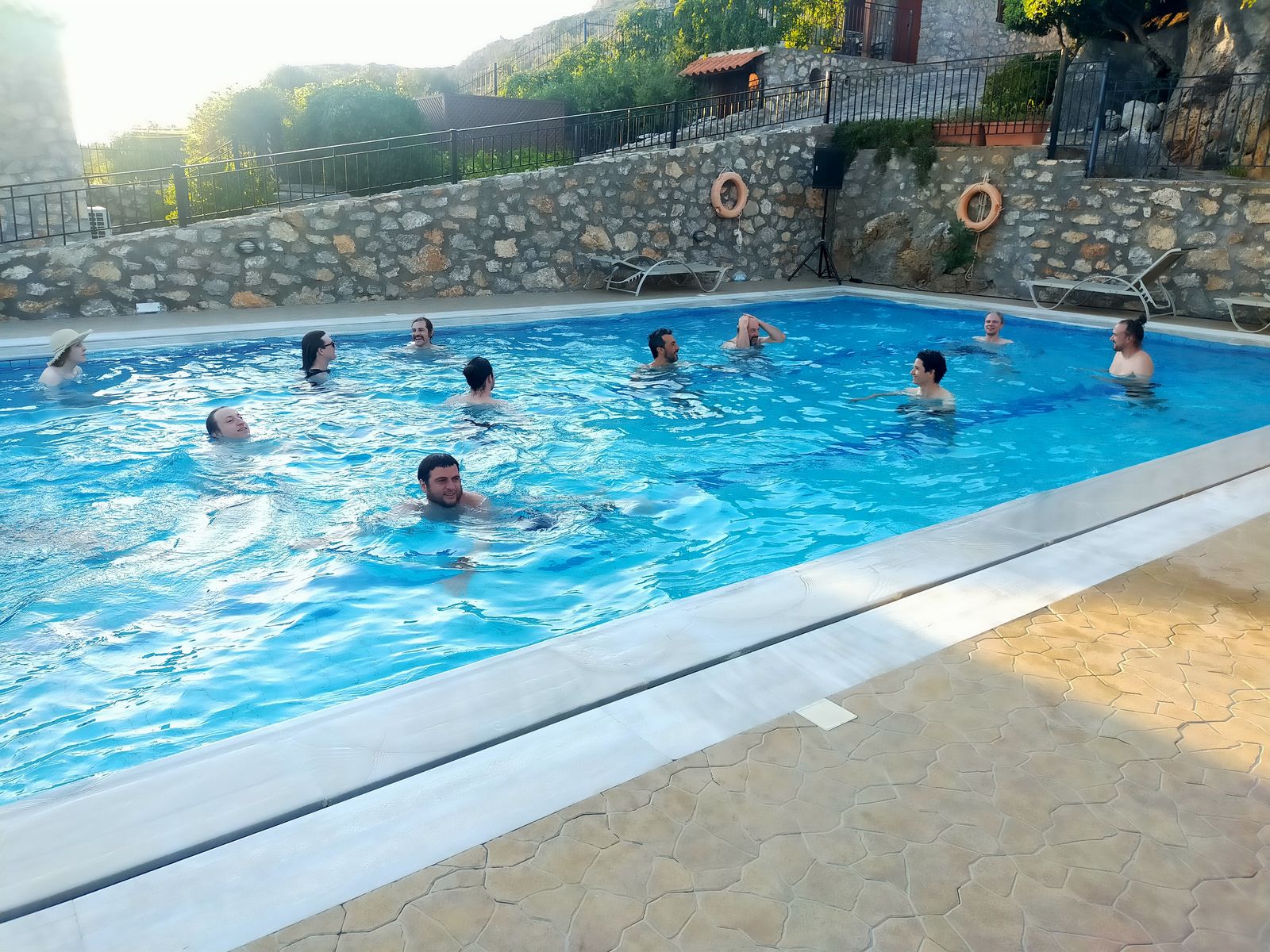
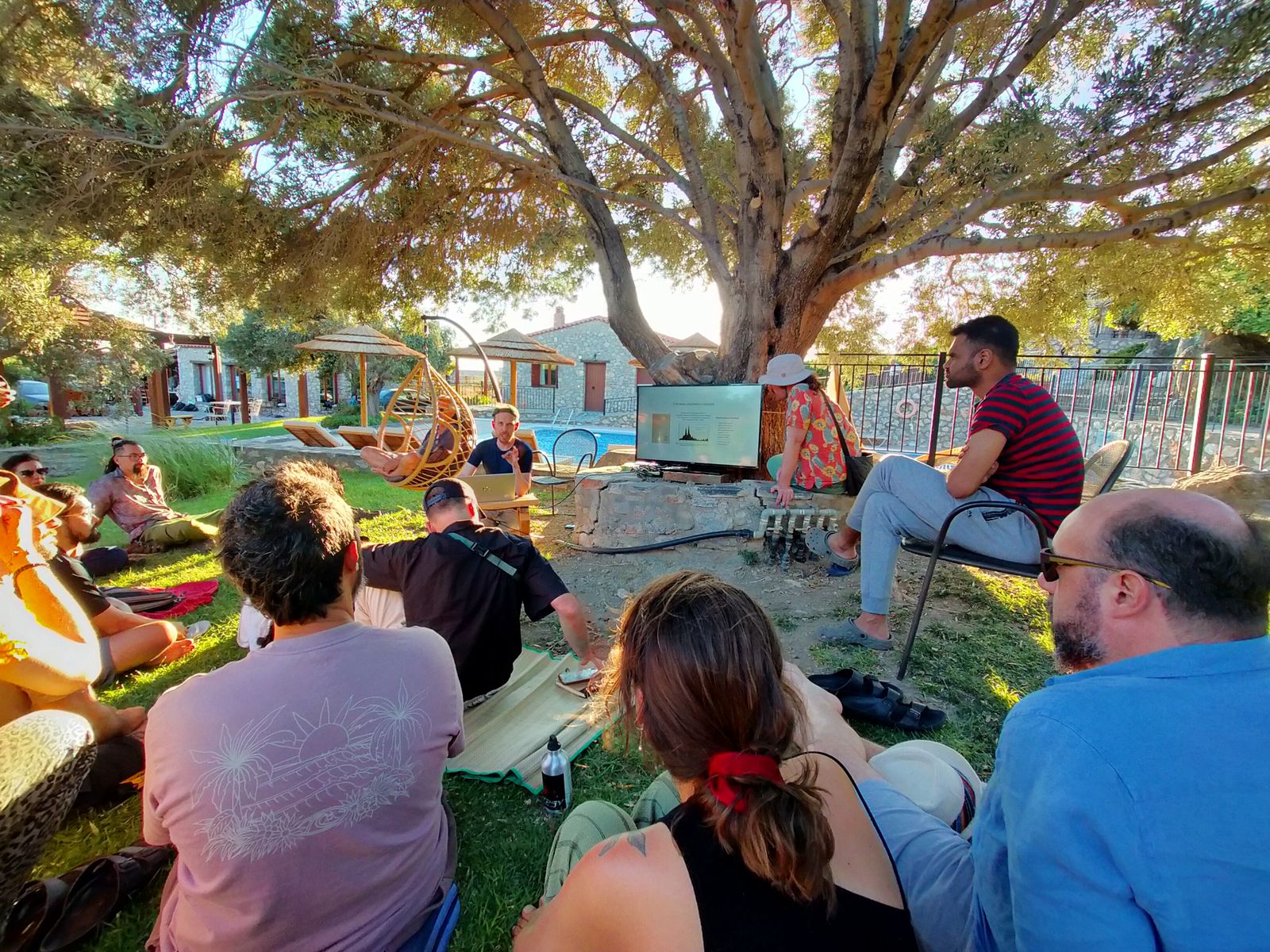
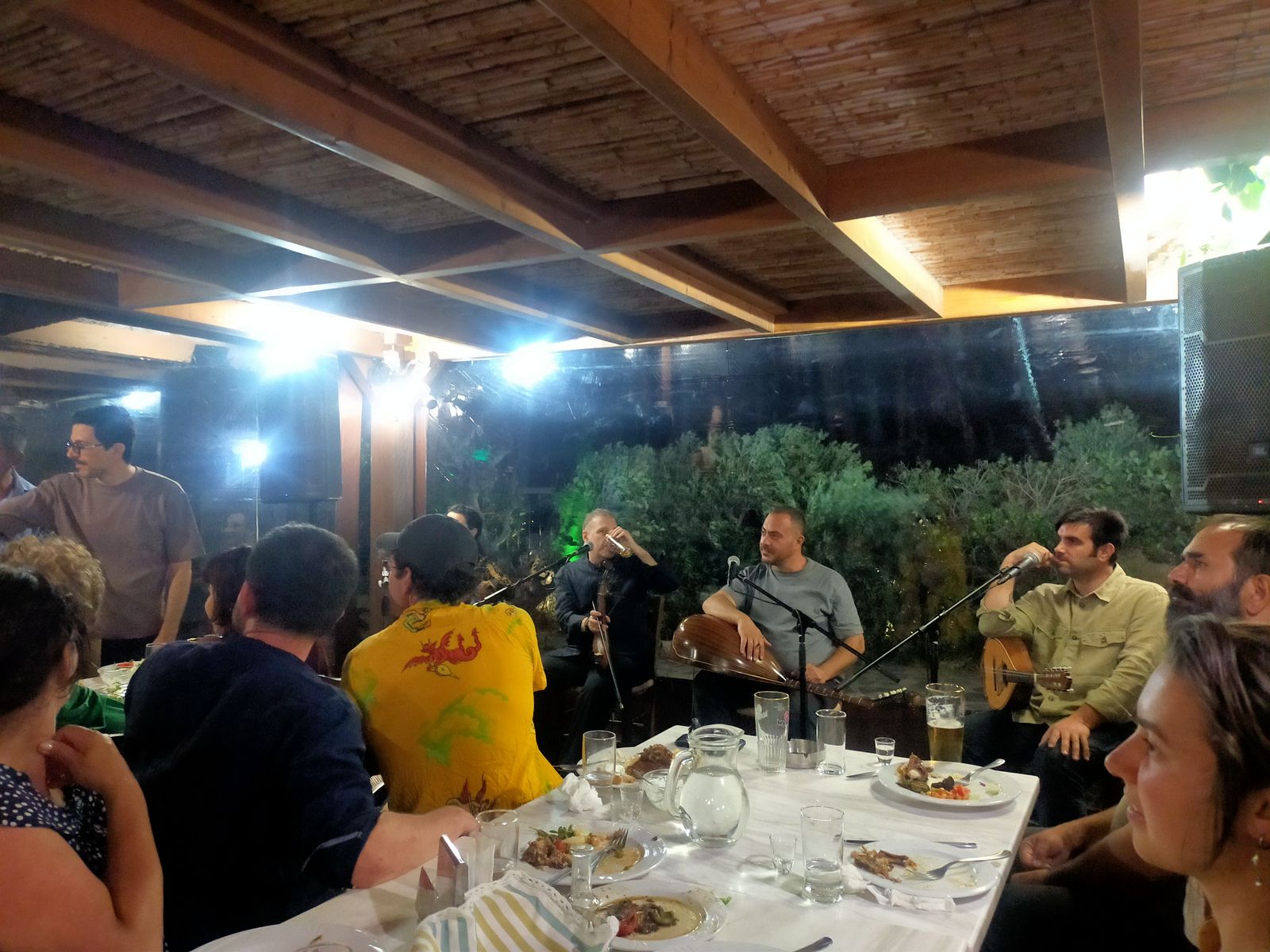
At the conference dinner that closed the retreat, local Cretan musicians played live, and people of different fields and nationalities gathered around a single table. Under the Mediterranean stars, we all danced to Cretan music.
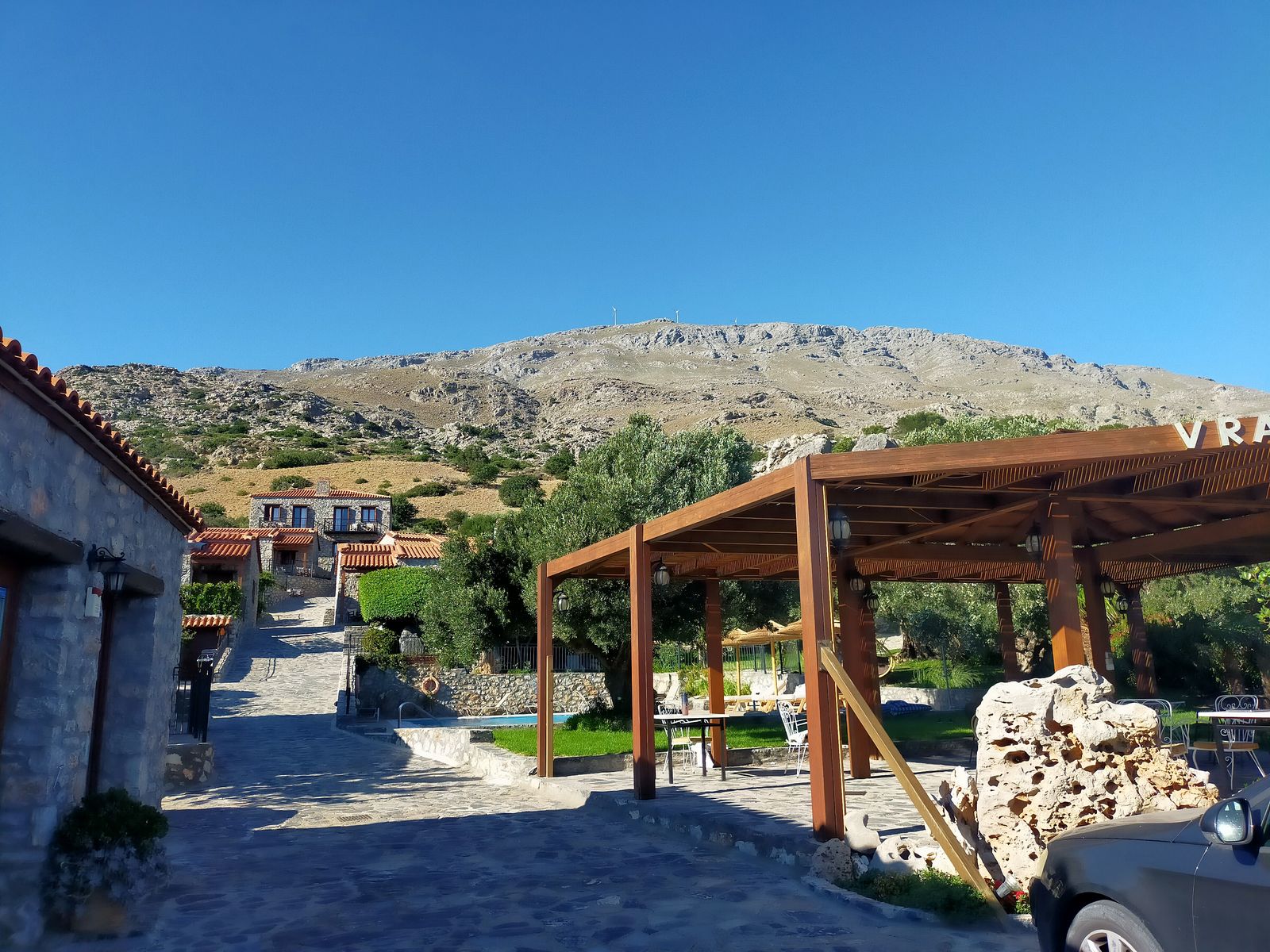
This event was made possible with sponsorship from CRF, and it was a reunion with the organizer, George, whom I had not seen since the 2024 Sapporo international symposium “Aware & Alive.” Here on Crete we were also able to discuss possibilities for future international collaborative research. George promised to spare no effort in helping should a research retreat like this one be held in Japan. When the five days came to an end, long embraces were exchanged all around, as if no one wanted to part.
CoRN 2025 — An Invited Talk in Bangkok, and Hokkaido University Confirmed as Host for 2027
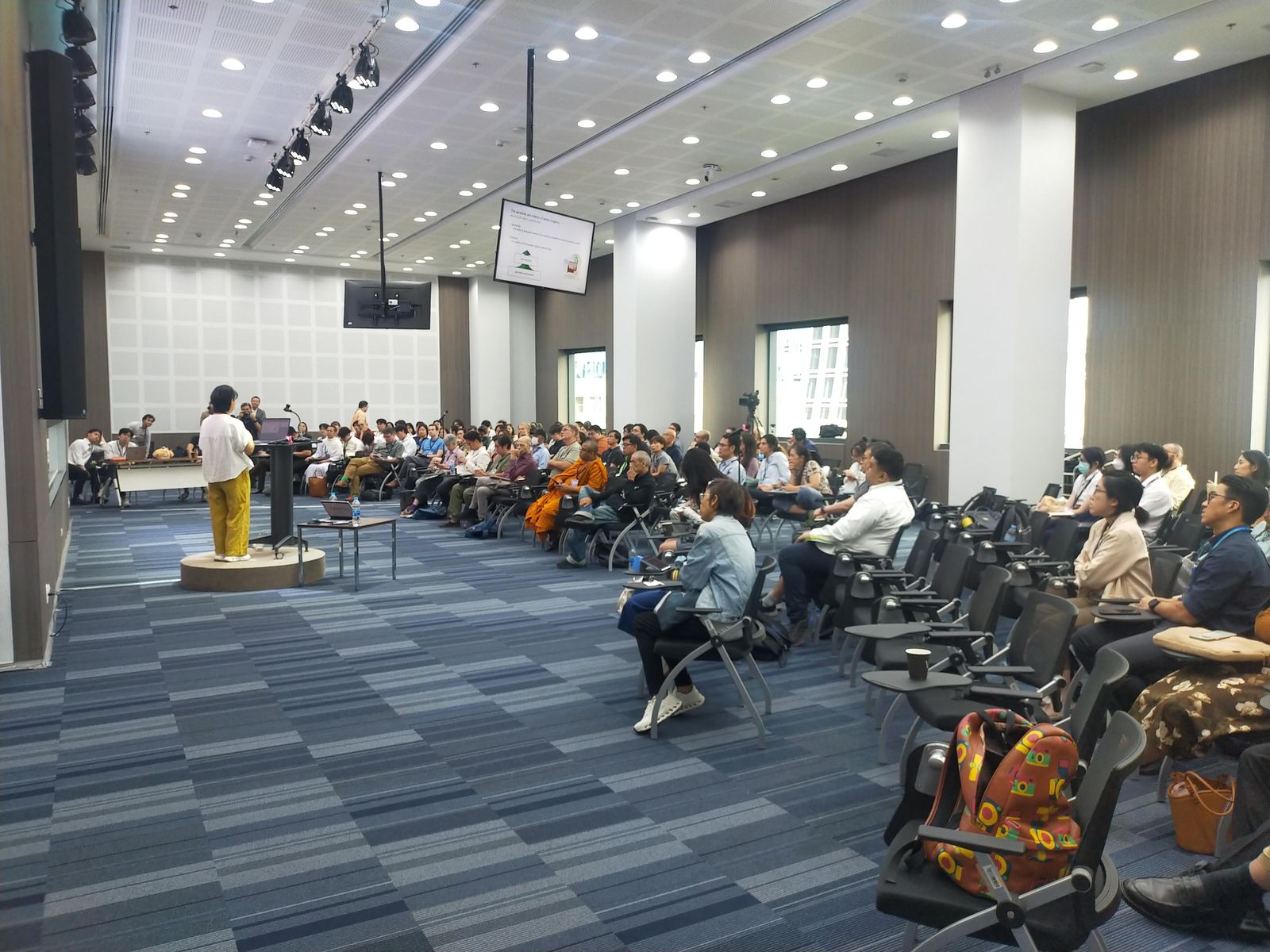
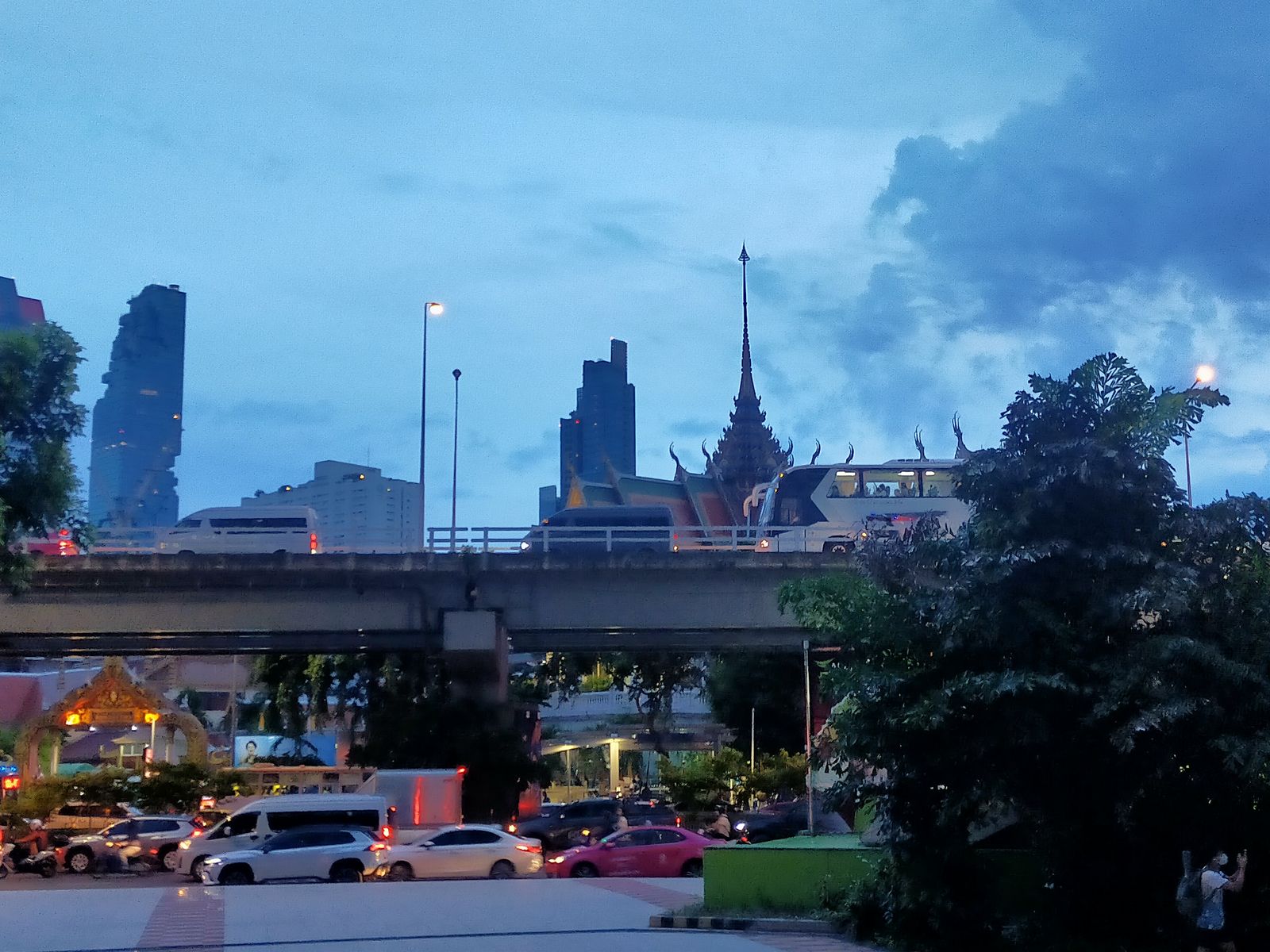
One step outside the venue, the humid heat and the smell of street stalls cling to you. On every trip across town, temple spires and skyscrapers took turns passing by the car window.
For the first time, I took part as an invited speaker in the Consciousness Research Network (CoRN), a society for consciousness research in the Asia-Pacific region founded mainly by philosophers in Taiwan. Held every two years, the conference has previously taken place in Japan and Singapore, and this fifth edition was held in Bangkok.
Participants and speakers are kept roughly balanced between philosophers on the one hand and neuroscientists and psychologists on the other. Questioning the structure of phenomenal consciousness from both philosophy and science — that is the core of CoRN. Compared with the ASSC, where neuroscience and psychology predominate, philosophical and phenomenological talks seemed to carry more weight. This overlaps with the ideals of CHAIN at Hokkaido University, which is committed to bringing the humanities and the sciences together, and its director, Shigeru Taguchi, also took part as an invited speaker.
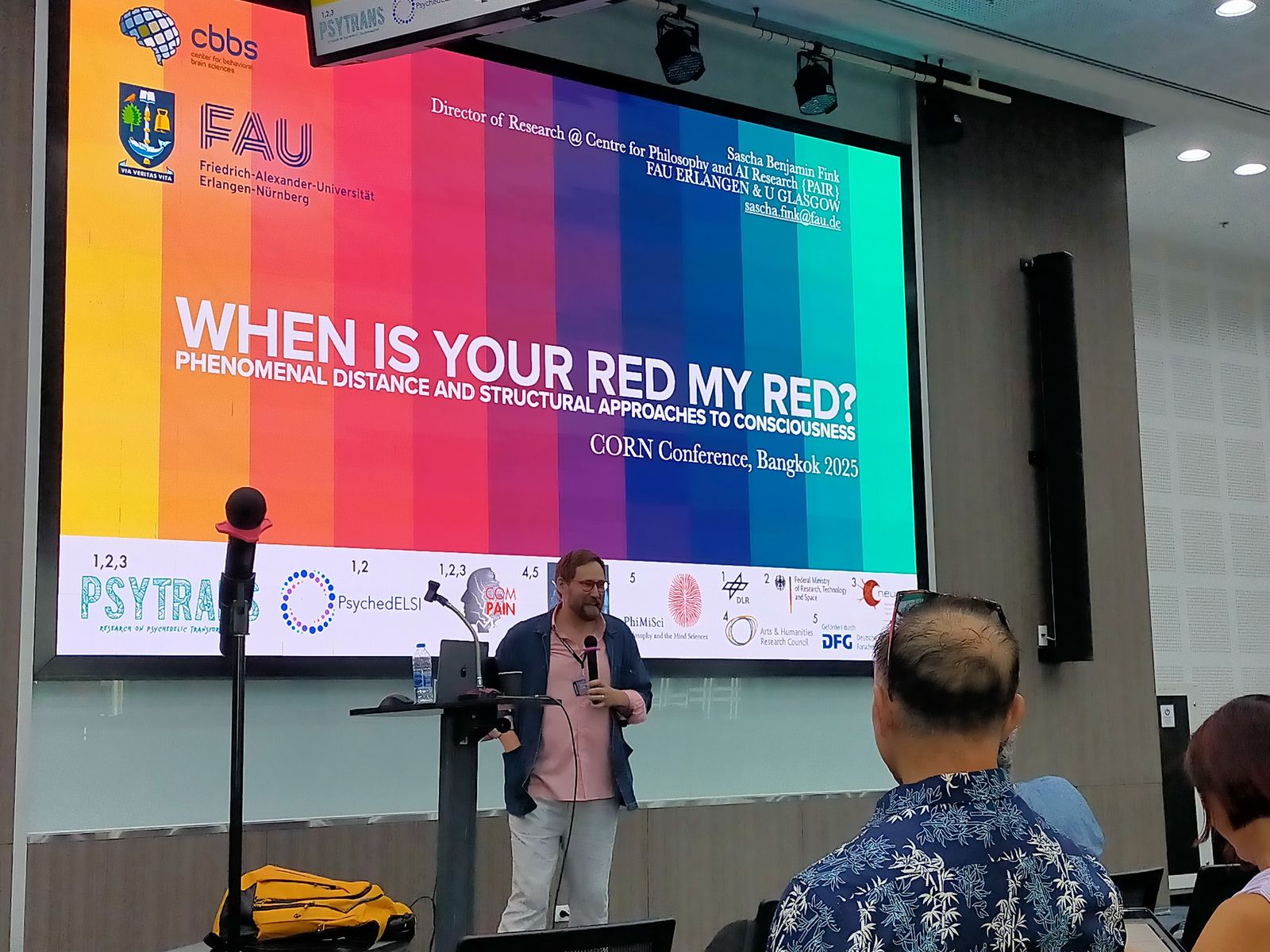
Sascha Fink (FAU Erlangen / University of Glasgow), in his keynote “When is your red my red? — Phenomenal distance and a structuralist approach to consciousness,” set out a structuralist theory that understands consciousness as relations among elements, that is, as structure. It came just when I had been thinking about how to sort out the two approaches to consciousness, structuralism and functionalism, and I had the sense of things suddenly falling into place in my head. It was a very rewarding talk.
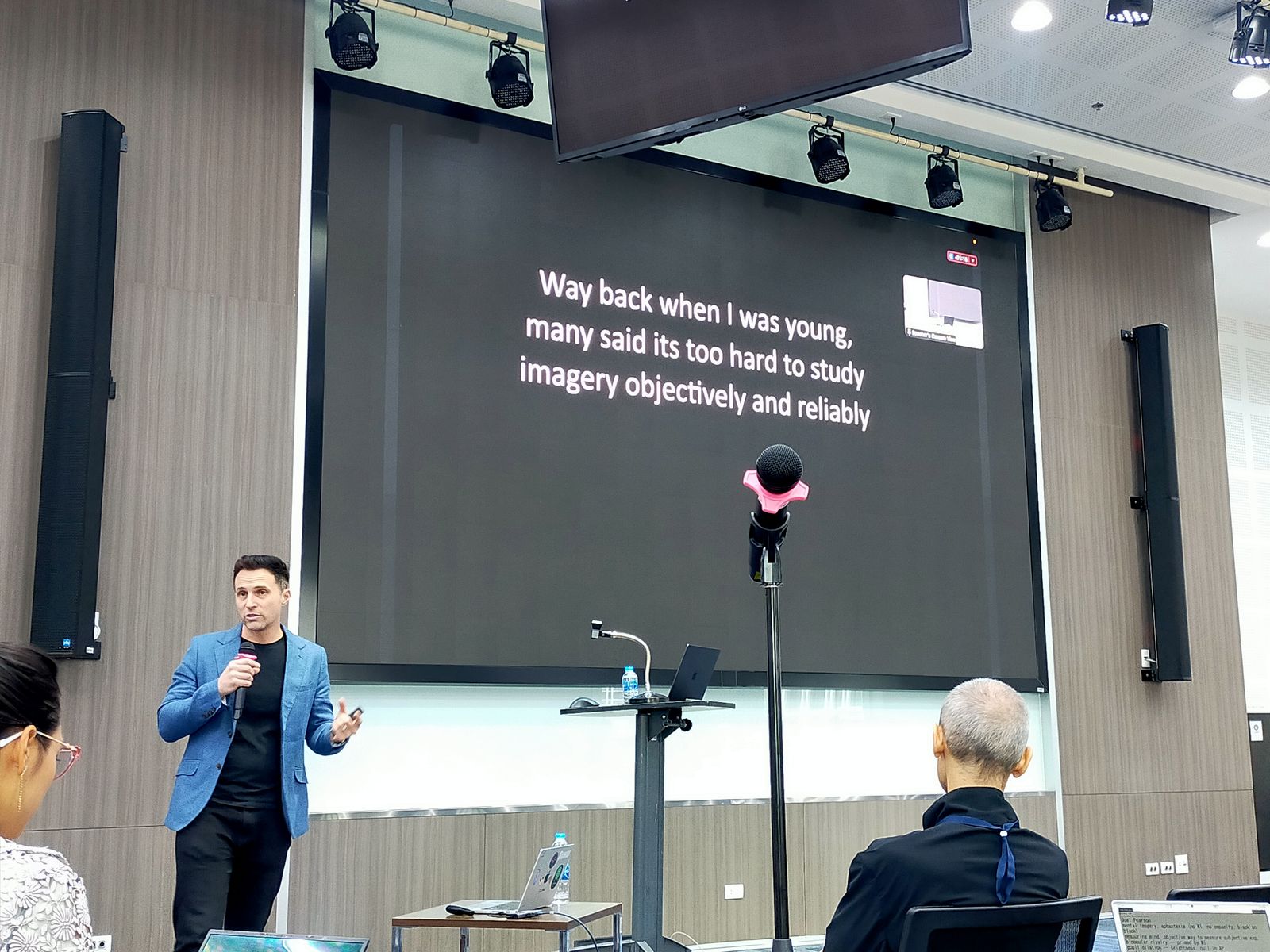
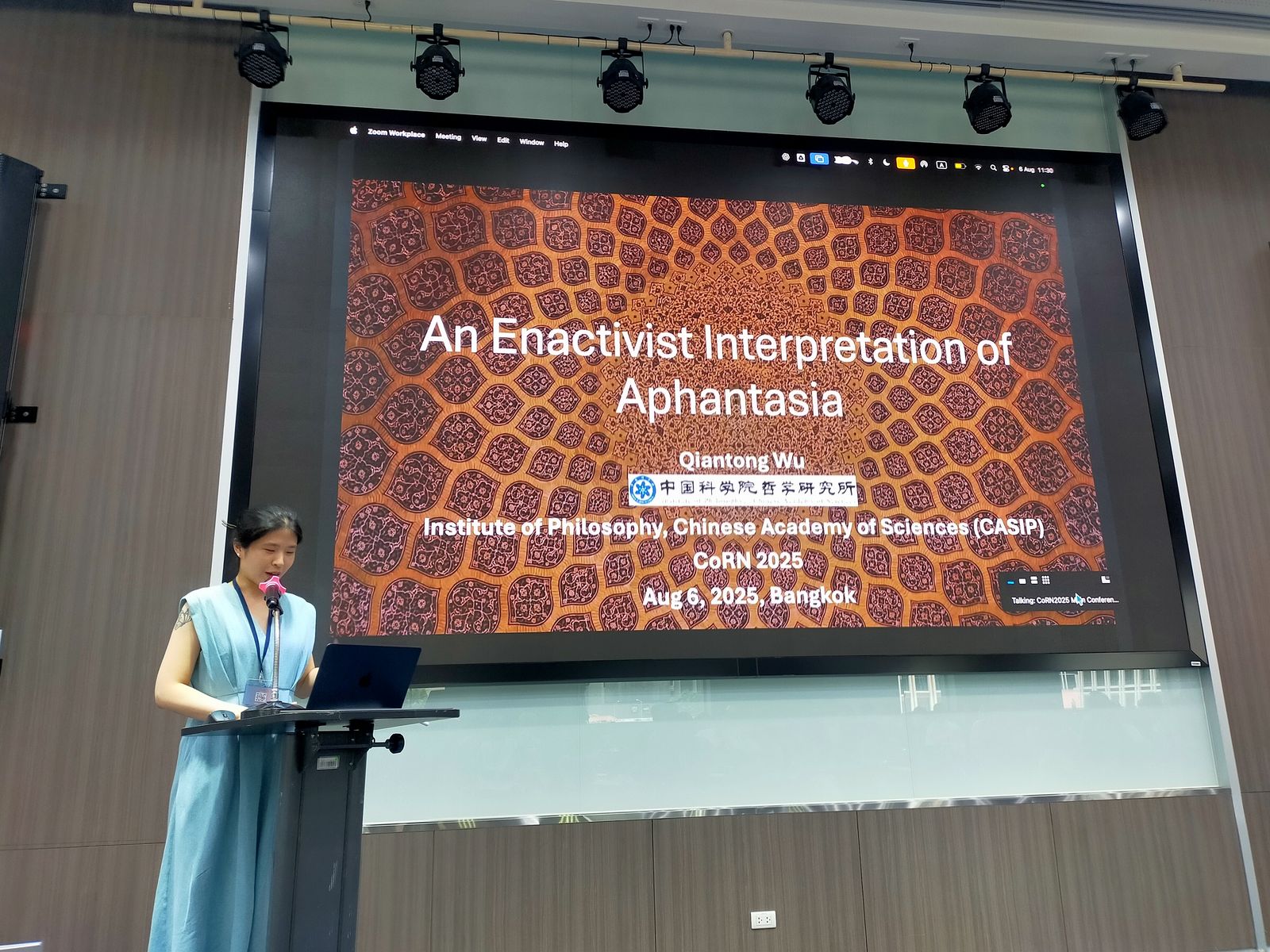
On aphantasia (the inability to call up visual mental images), there was a presentation from an action-based (enactive) standpoint. It offered a framework in which the sense that distinguishes imagination from perception arises from information about environmental stimuli that has not yet risen to the center of consciousness. From this perspective, aphantasia is recast not so much as a lack of the capacity to form mental images, but as a state in which the brain regions that handle concepts and those that handle visual information are each overly active, while coordination between them does not work well. This interpretation, the speaker argued, may also explain seemingly contradictory existing findings — that people with aphantasia can compare shades of color in imagination, or have vivid dreams.
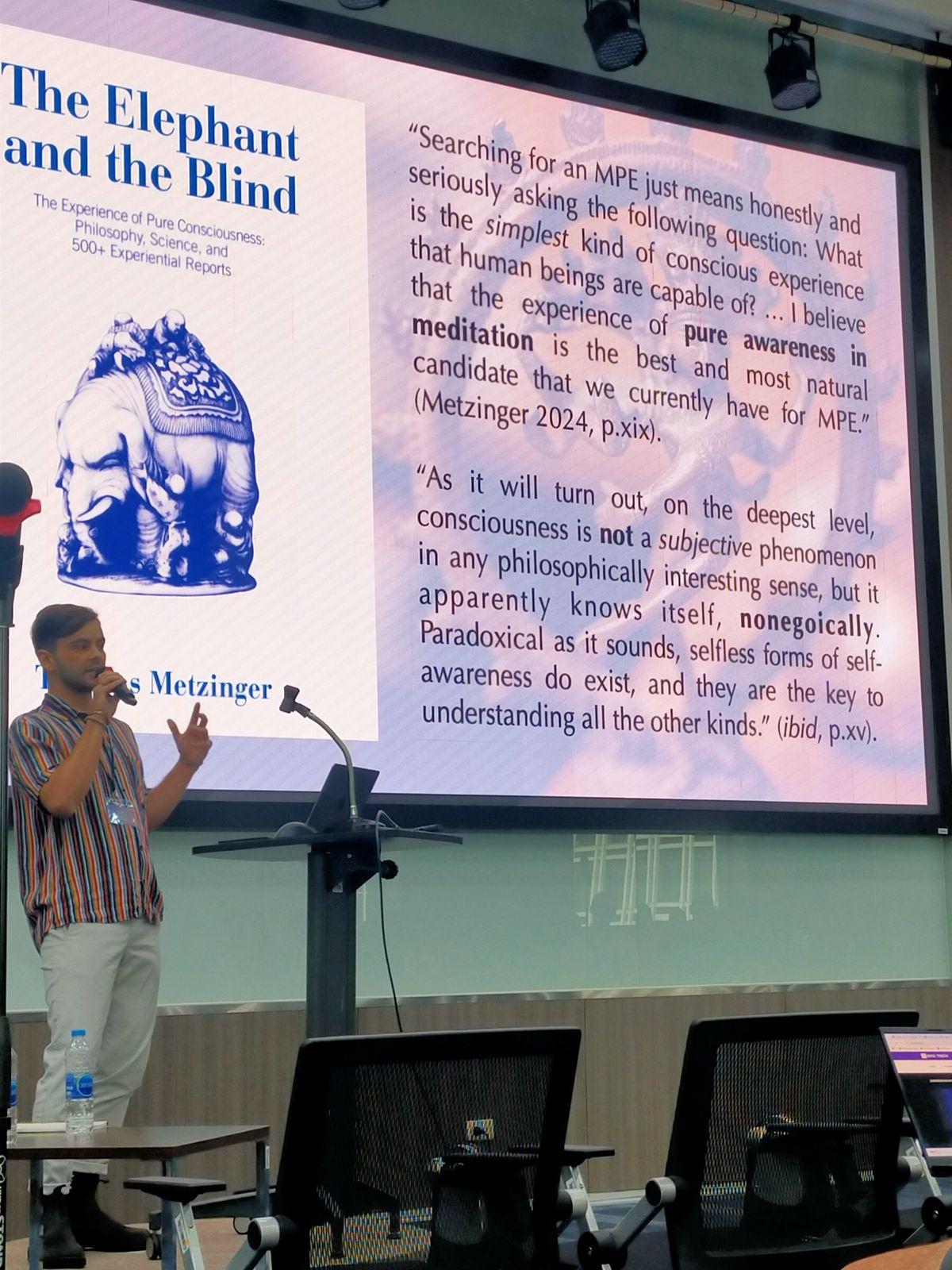
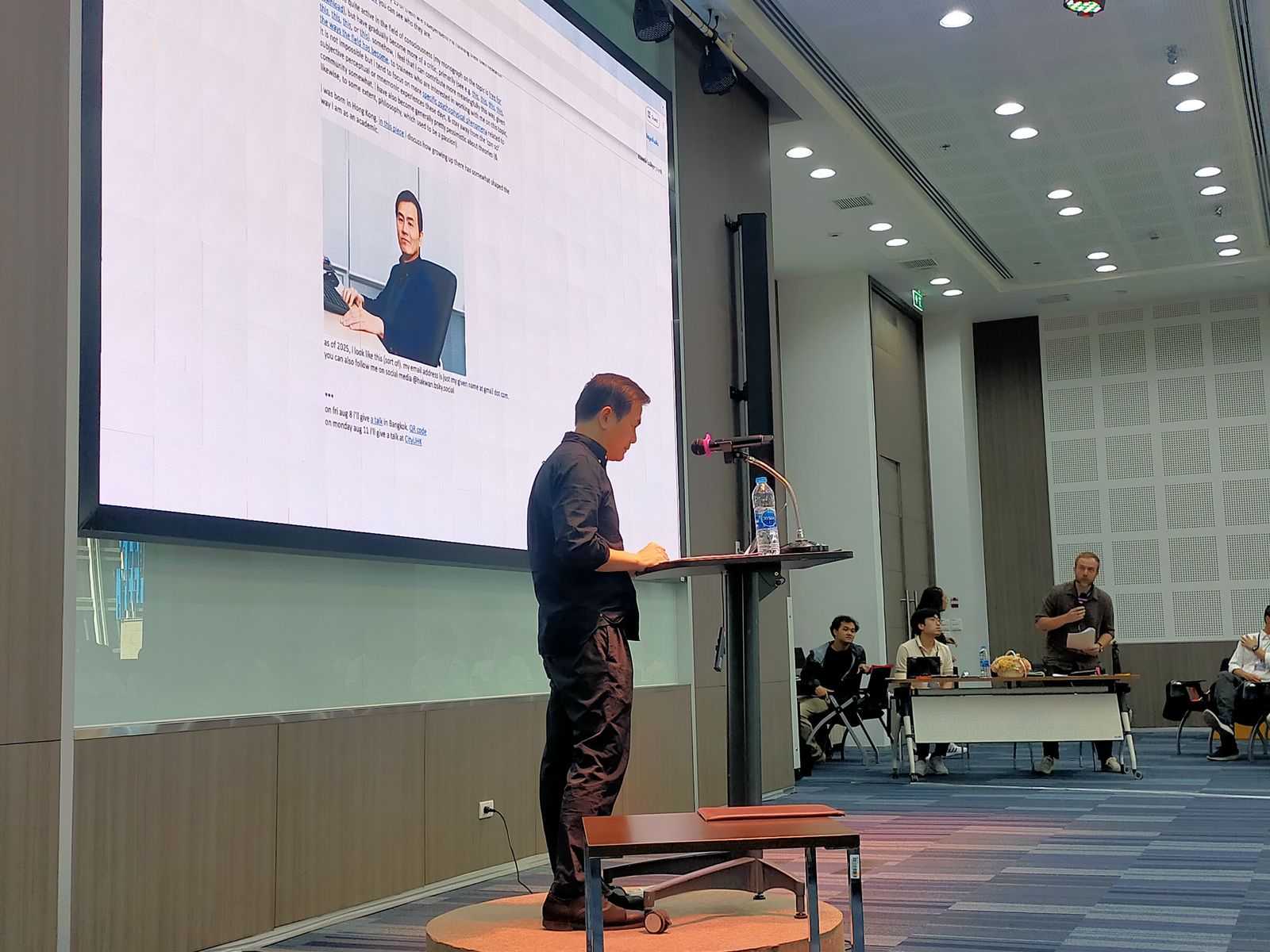
It was formally decided that CoRN 2027 will be held at CHAIN, Hokkaido University, with me serving as the main organizer. I feel there is great significance in holding CoRN at CHAIN, a place where philosophy, AI and neuroscience intersect, and I am already excited about it. By coordinating the dates with the summer school of the Transformative Research Area “Qualia Structure,” we hope to make it a conference at the core of Asia's network of consciousness research.
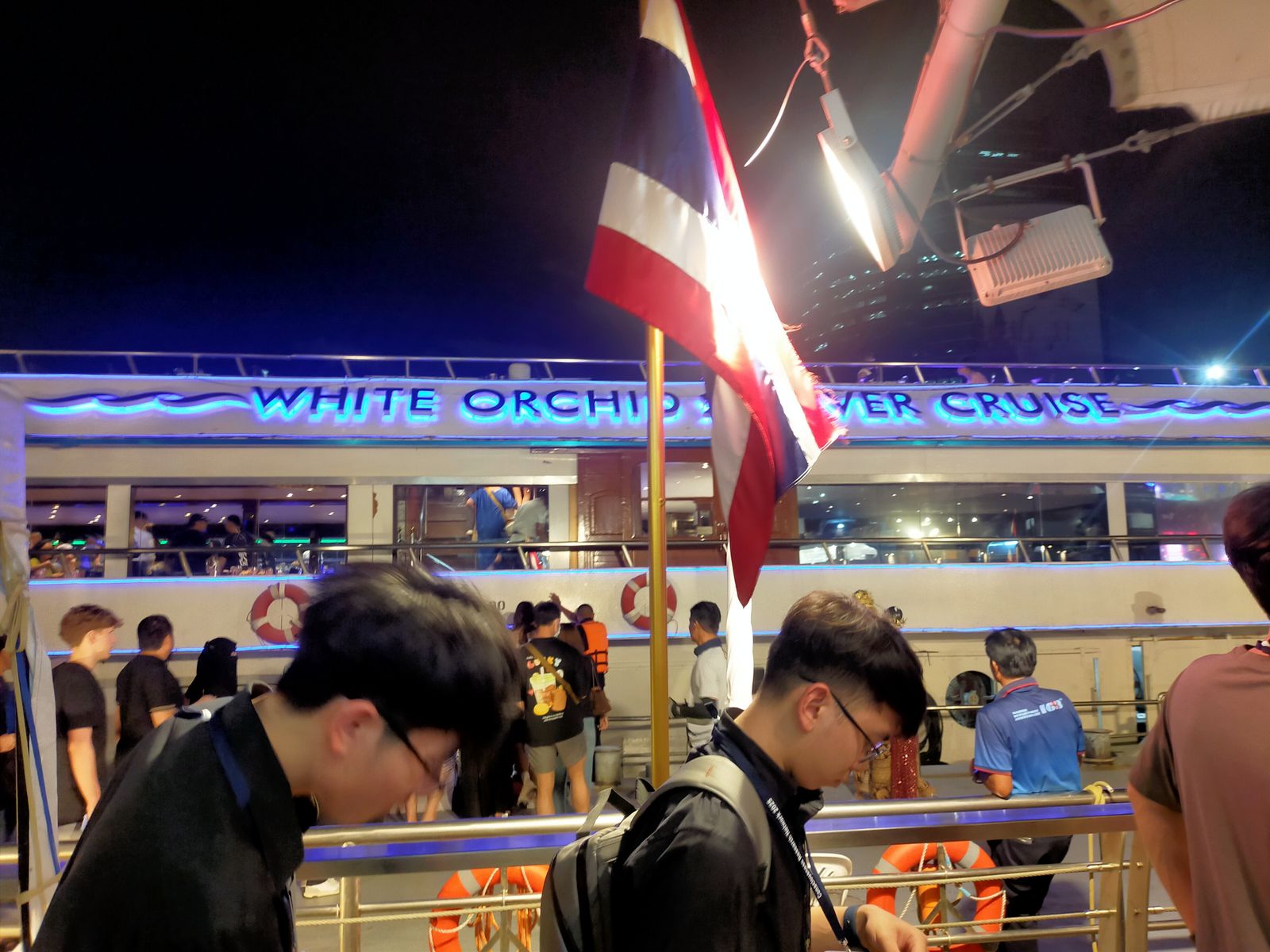
Alongside the presentations, the conference offered opportunities to mingle with researchers from across Asia, including a dinner cruise on the Chao Phraya River. It was a night of talking about where we might meet next, in the evening breeze across the water, looking at the illuminated temples on the far bank. The trip broadened my network of researchers ahead of the 2027 Sapporo meeting.



* Click a photo to enlarge it.
MoC6 — Modeling Consciousness Mathematically, Held in Asia for the First Time
The international conference “Models of Consciousness 6 (MoC6),” in whose organization I was deeply involved as local organizer, was held at Hokkaido University on October 1–4, 2025. Booking the venues, preparing the reception and conference dinner, planning the excursion, editing the book of abstracts and putting together the program — I was swamped with countless practical tasks. When opening day finally came and I looked out over the faces of researchers gathered from around the world, the relief I felt is something I still cannot forget.
MoC is a conference that aims to describe consciousness with “mathematical models and formal frameworks (formalisms).” Distinct from experimental approaches that try to pin down “which parts of the brain are active,” it seeks to express the structure of consciousness itself in the language of mathematics. For this sixth edition since its launch in Oxford in 2019, Sapporo was chosen as the first venue in Asia.
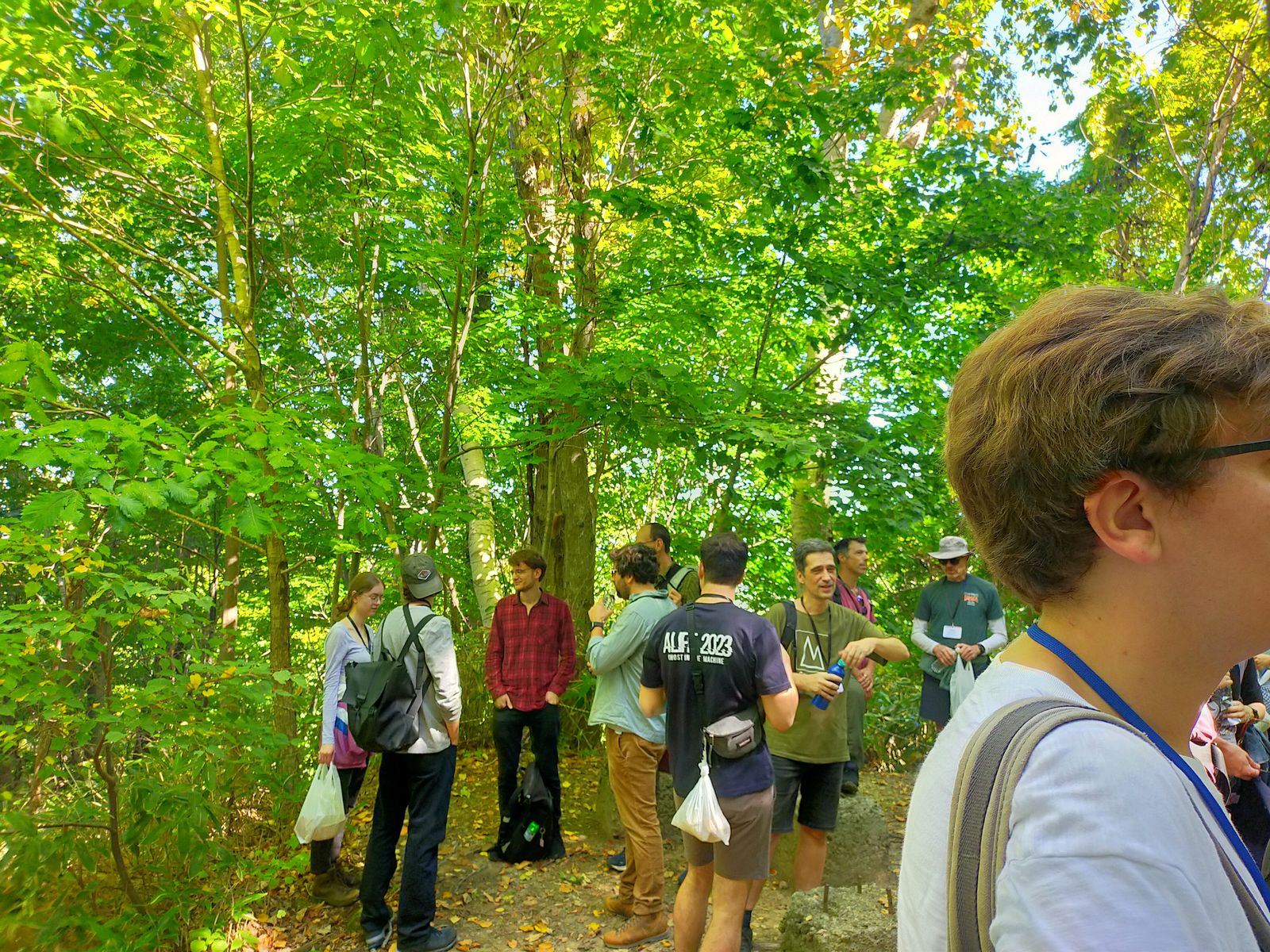
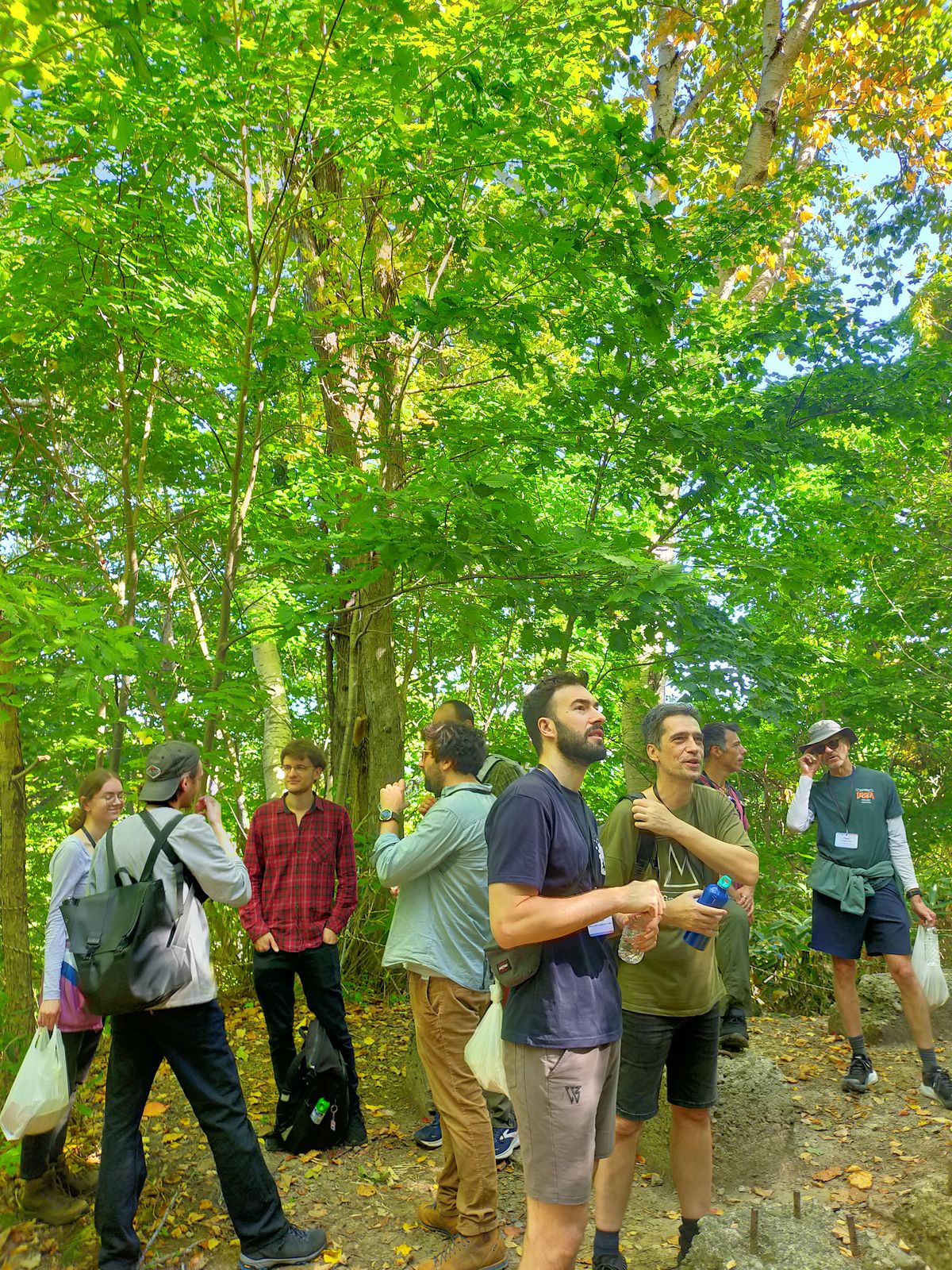
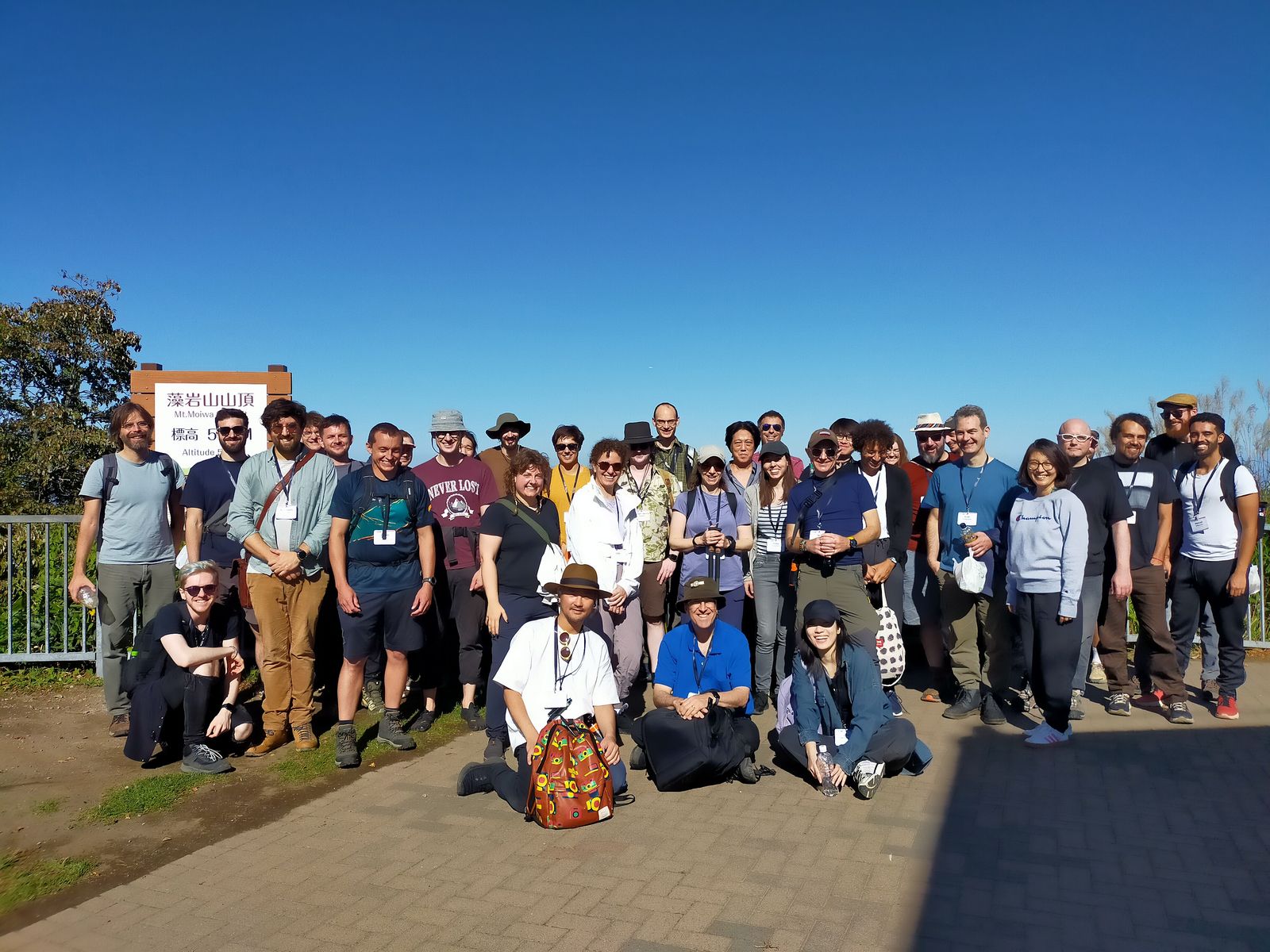
It is not unusual for a conference to include a sightseeing excursion between sessions, but this time it was scheduled for the day before the opening — honestly, a first for me. It turned out to work rather well. Someone attending a conference alone for the first time usually needs a while before they feel at ease with those around them and the discussions start to flow, and the pre-conference hike served as an ideal icebreaker for such newcomers. This time all the participants hiked for about an hour and a half up Mt. Moiwa (531 m), which rises on the outskirts of Sapporo. We climbed the trail in clear autumn weather, talking as we went, and from the summit we could take in the whole of Sapporo and the Ishikari Plain. Researchers gathered from around the world, climbing a mountain in Sapporo for the conference we had organized — watching that scene, I savored a time away from research discussions.

We welcomed leading researchers as invited speakers — from Japan, Takashi Ikegami (The University of Tokyo) and Ryota Kanai (Araya), and from abroad, Fernando Rosas (University of Sussex) and Susan Schneider (Florida Atlantic University), among others — and in the end about 90 people took part. The three main themes this time were “philosophy of consciousness and mathematized phenomenology,” “quantum approaches to consciousness and their assumptions,” and “research on artificial consciousness.” Quantum approaches in particular were one of the major topics of the meeting, with discussion of the latest developments in “quantum cognition,” which applies the mathematical formalism of quantum mechanics to describing cognitive processes. It should be noted that this is a different approach from “quantum brain theory” (the Penrose–Hameroff hypothesis), which holds that quantum processes in microtubules in the brain give rise to consciousness; even so, it was a choice of theme very much in keeping with MoC, which seeks to speak of consciousness mathematically.
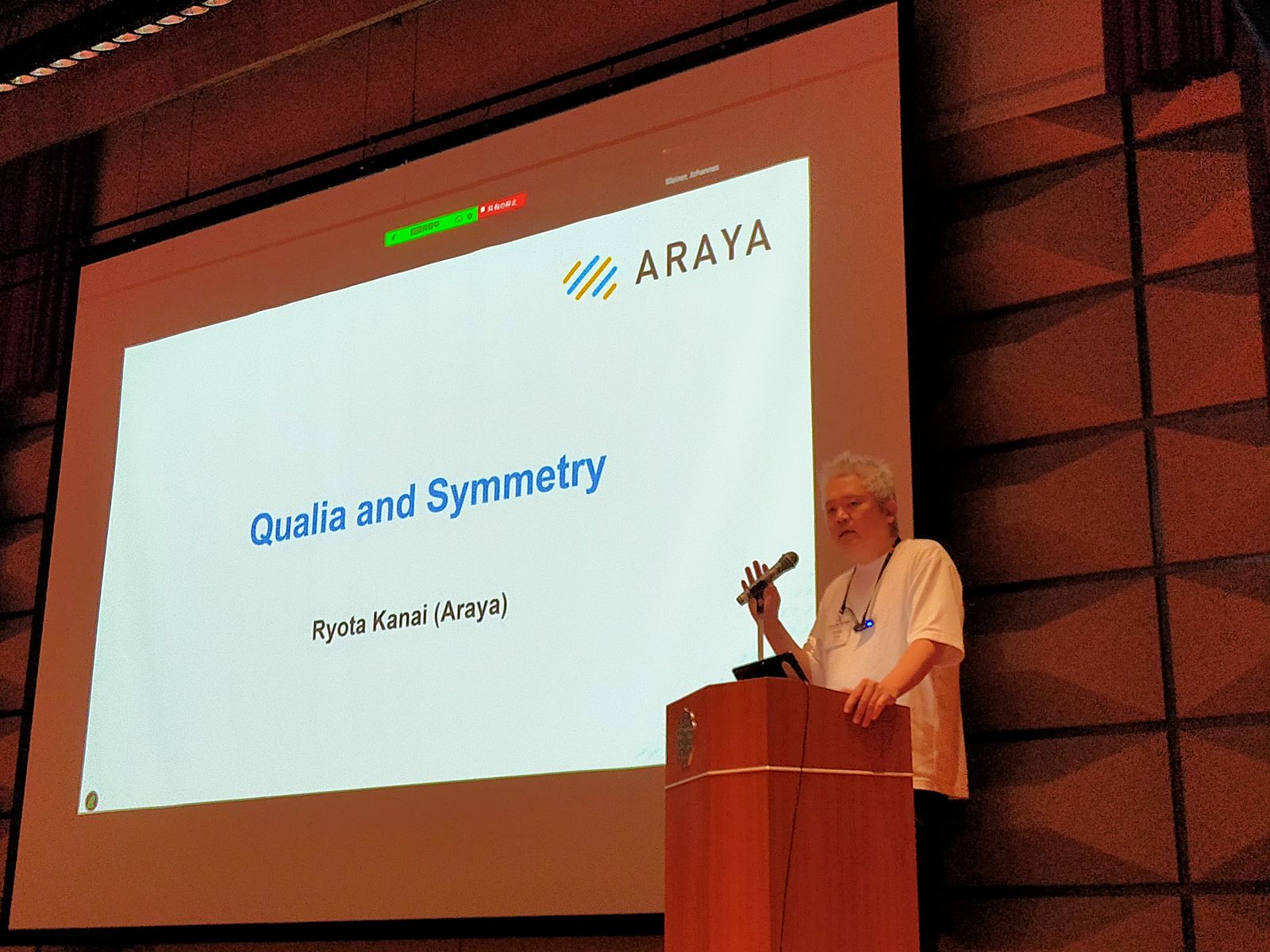
Ryota Kanai (Araya), in a talk titled “Qualia and Symmetry,” presented a theoretical framework that captures the structure of qualia through the mathematics of symmetry. For instance, even as a dog moves across the visual field, its identity — its “dogness” — does not change. He calls this invariant part the “qualia signature,” and the parts that vary, such as position, “qualia attributes.” For color, changes in hue correspond to attributes, while saturation and brightness correspond to the signature. He drew the contrast that, because the geometric form of attributes is determined automatically by the mathematics of symmetry, it is universal across individuals, whereas the relations among signatures — what feels similar to what — can differ from person to person through learning and experience.
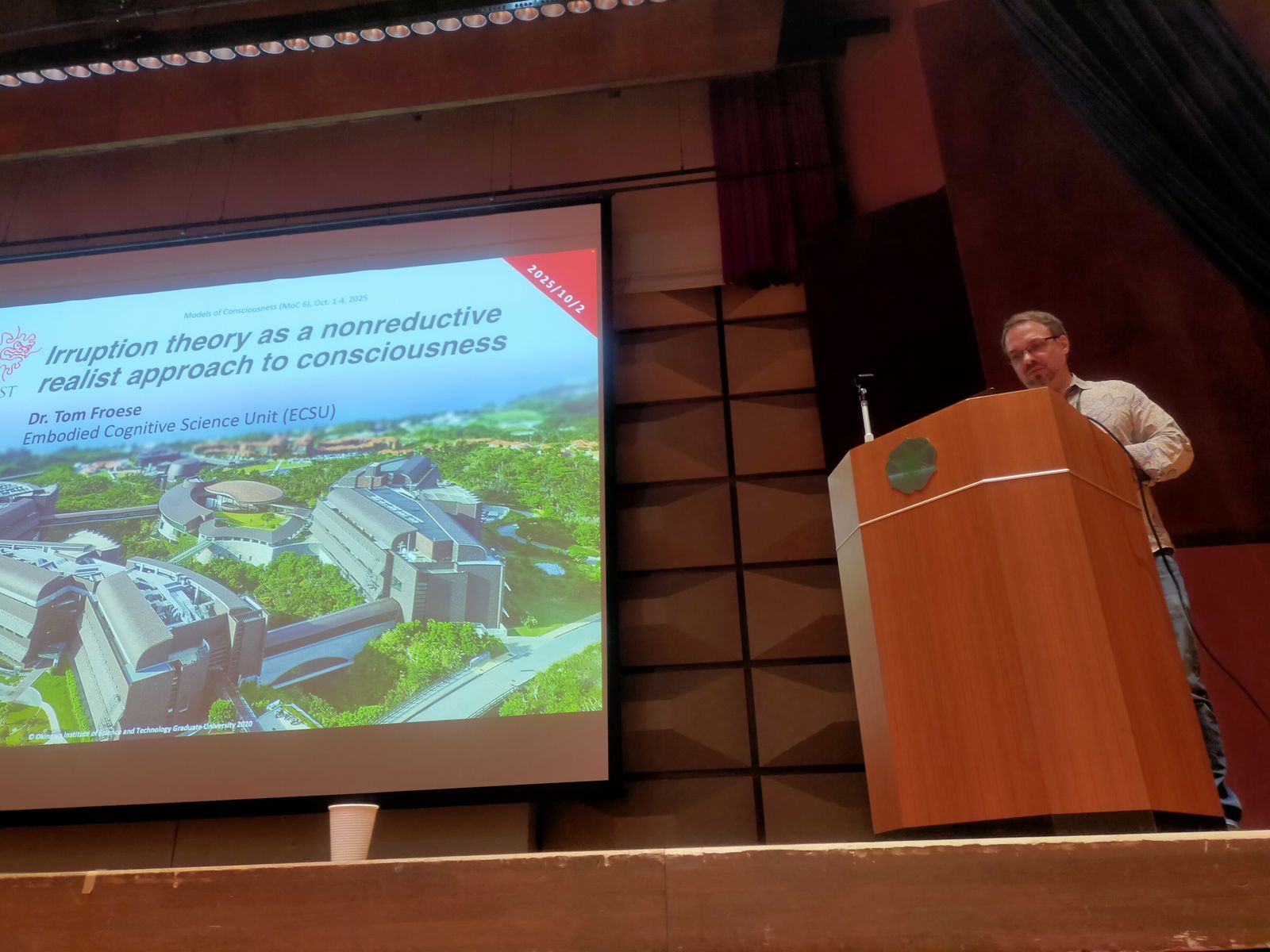
Tom Froese (OIST) asked what unique role, if any, human consciousness has apart from intelligence, at a time when the rapid progress of AI is unsettling humanity's image of itself. He presented his own criterion (the Participation Criterion), according to which, for a theory to be said to have explained the existence of consciousness, it must show that “having consciousness makes some unique difference in the world compared with not having it,” and offered a perspective for rethinking the relationship between humans and AI.
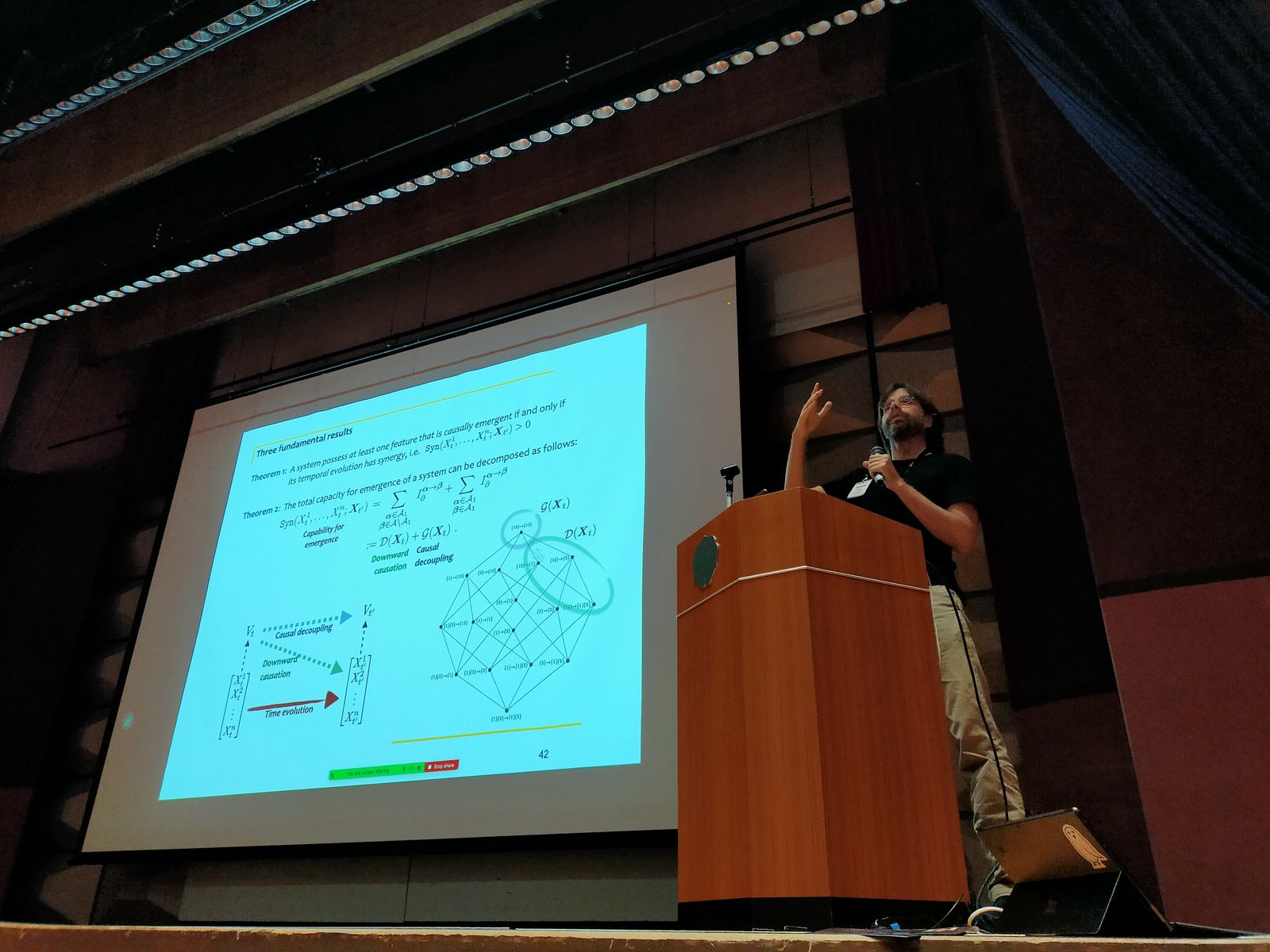
Fernando Rosas (University of Sussex), in a talk titled “Consciousness and emergence,” tackled the much-debated concept of emergence from a pluralistic and pragmatic standpoint. He introduced formal theories of emergence that can be tested as falsifiable hypotheses, and discussed how they might be applied to the study of consciousness in both biological and artificial systems.
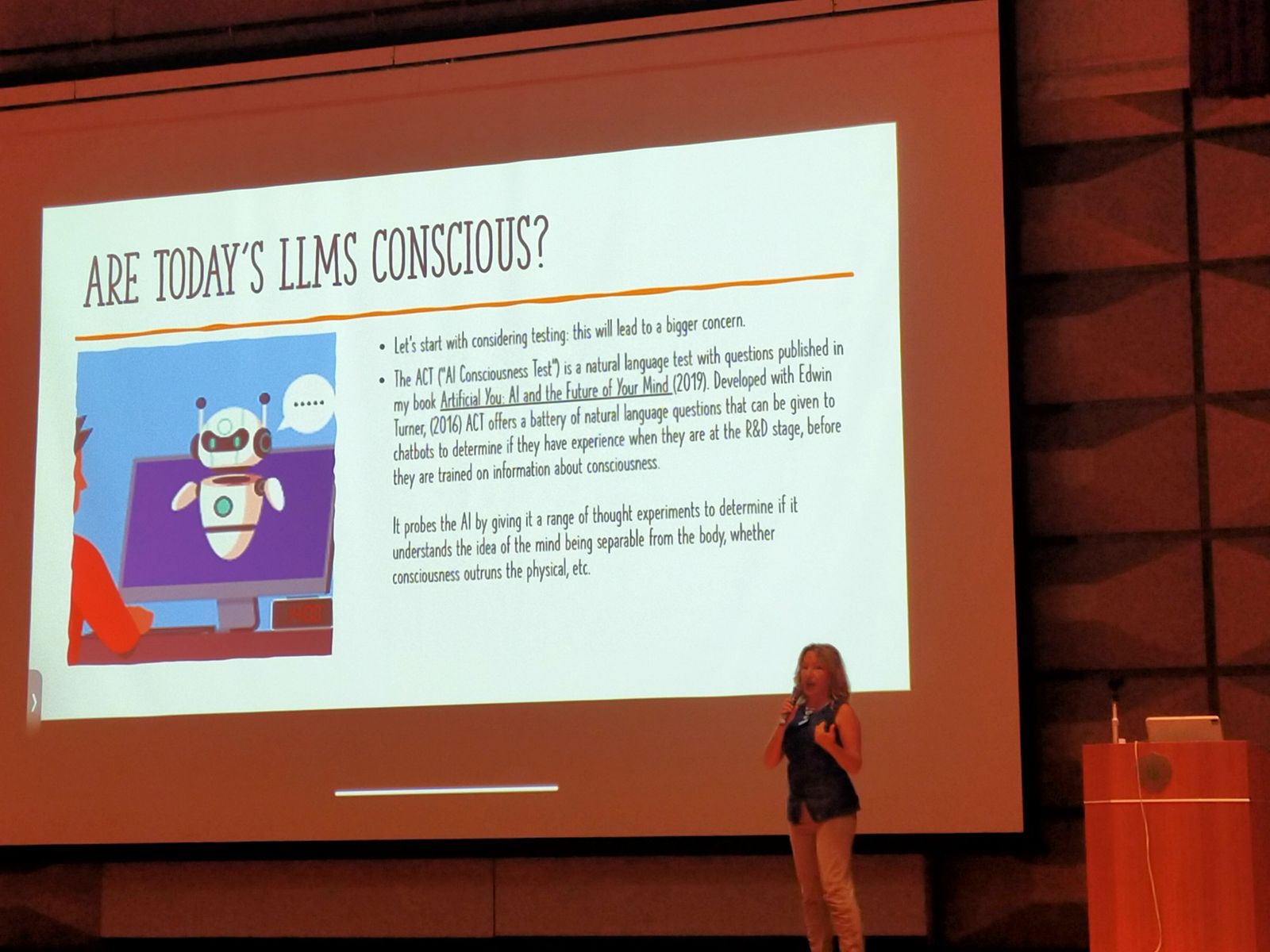
Representative of the presentations on artificial consciousness was a keynote by Susan Schneider (Florida Atlantic University; author of Artificial You: AI and the Future of Your Mind). While introducing the “ACT (AI Consciousness Test),” a natural-language test for probing AI consciousness, she took a skeptical position toward current large language models (LLMs): her “error theory” holds that their human-like conceptual representations are not evidence of consciousness but merely a reflection of the human data they were trained on.
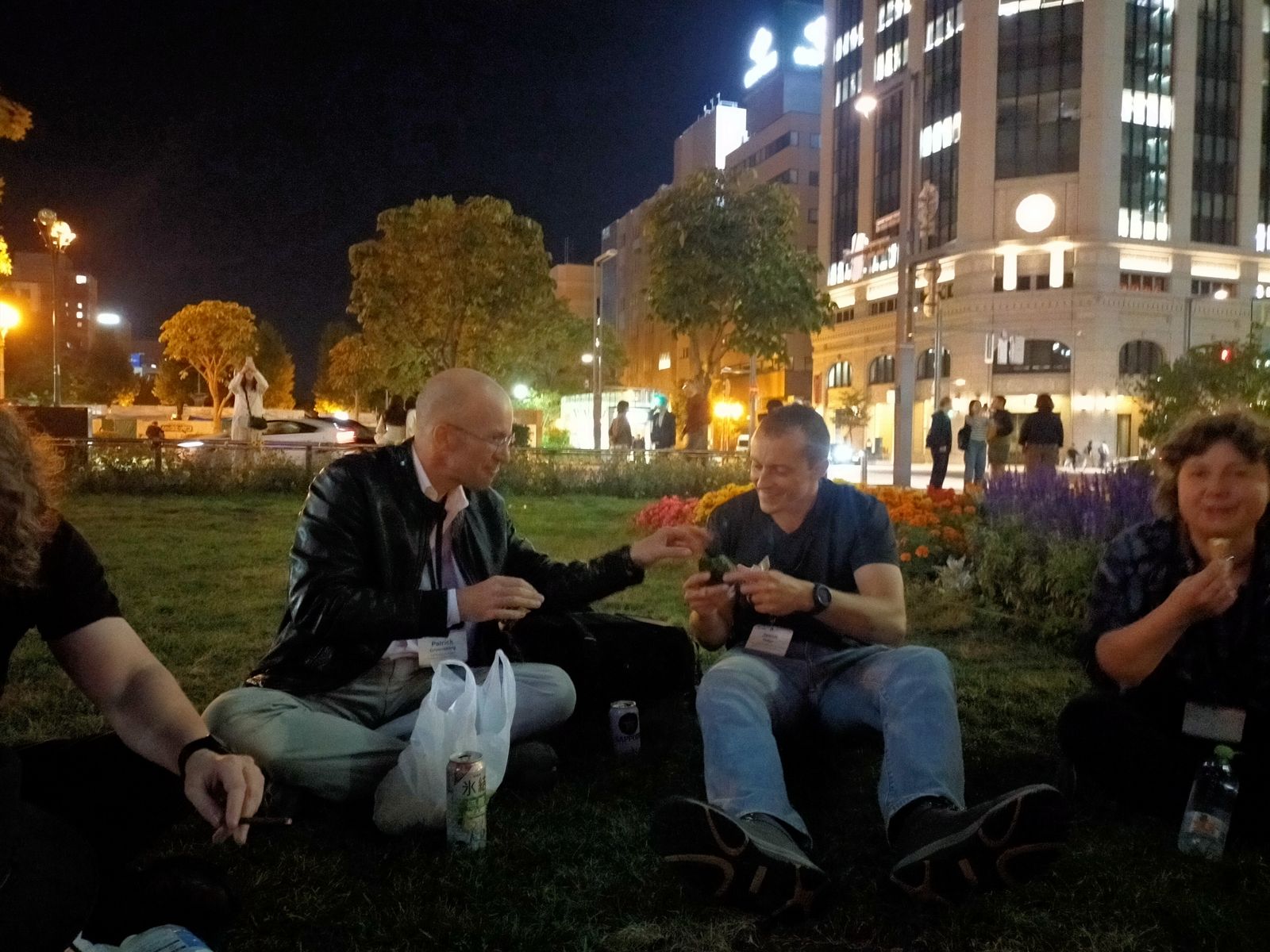
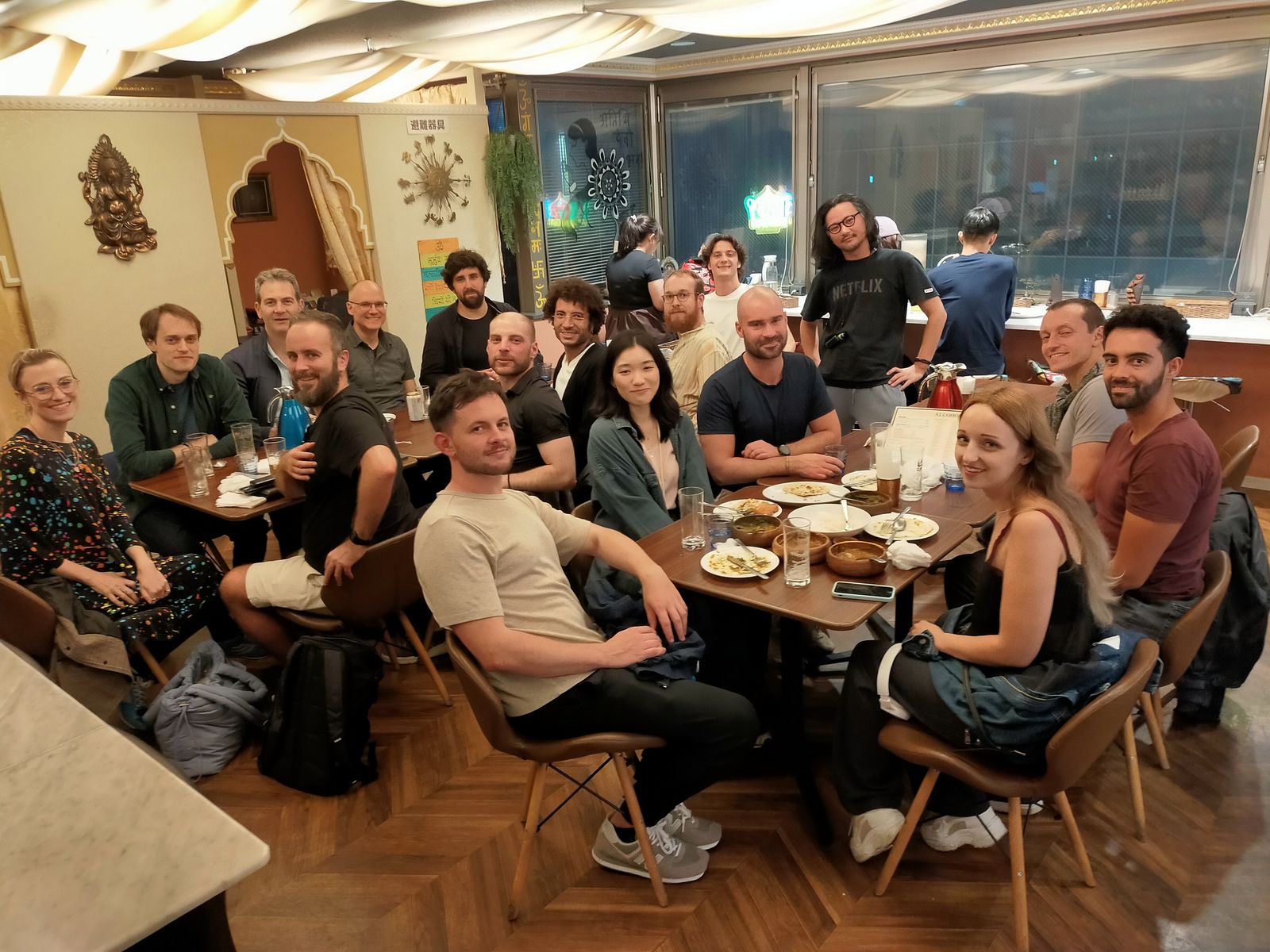
Unlike huge conferences with more than a thousand attendees, MoC6, with fewer than a hundred, had the advantage that all the participants could get to know one another well. Spending several days with the same faces, conversations beyond titles and positions arose naturally — that, too, was something only a meeting of this size could offer.
The next meeting, MoC7, will be held in Copenhagen, Denmark, in October 2026. I plan to continue supporting the organization as an organizer and to join the discussions on site.
Looking down on Sapporo from the summit of Mt. Moiwa, I saw the scenes of a year spent pursuing consciousness research overlap — from the dry ridgelines of Greece, through the bustle of Bangkok, to here in Hokkaido. There is still no settled answer to the question “What is consciousness?” Yet philosophers, neuroscientists, engineers and artists keep turning toward that same question, each bringing different languages and methods. Joining that effort from Japan and continuing to share it with the world — this, I felt once again, is the role of CRF.
In fiscal 2026 as well, I hope to keep sharing developments in consciousness research with all of you, through participating in and organizing international conferences and through hands-on sessions and lectures in Japan.
We are deeply grateful for your support.